

Hey there! As a supplier of Baby Car Mold, I've been diving deep into the topic of making the production of baby car molds more energy - efficient. It's not just a buzzword; it's a necessity in today's world, where we're all looking to reduce our carbon footprint and cut down on costs.
First off, let's talk about why energy efficiency matters in baby car mold production. For one, it helps us save on electricity bills. Energy isn't cheap, and the manufacturing process of baby car molds can be pretty energy - intensive. By making our production more energy - efficient, we can pass on those savings to our customers, which is a win - win situation. Also, from an environmental perspective, reducing energy consumption means fewer greenhouse gas emissions. We all want to do our part in protecting the planet, right?
Now, let's get into the nitty - gritty of how we can make the production of baby car molds more energy - efficient.
1. Optimize the Design Process
The design stage is crucial when it comes to energy efficiency. A well - designed mold can significantly reduce the energy required during production. We need to use advanced 3D modeling software to create the most efficient mold designs. This software allows us to simulate the production process and identify any areas where energy might be wasted.
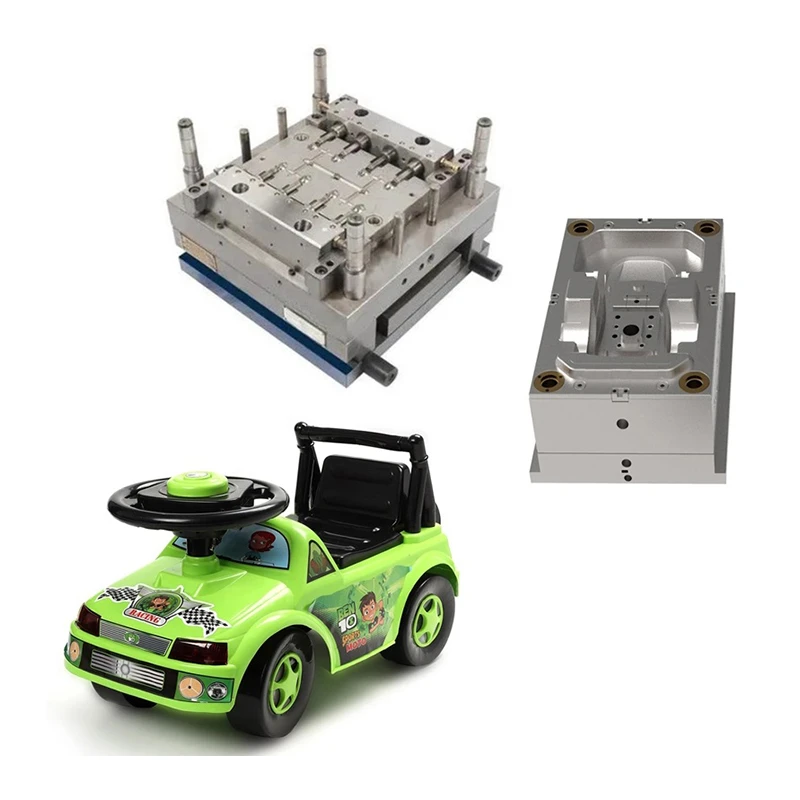

For example, if the mold design has complex geometries that require more time and energy to machine, we can simplify the design without compromising the quality of the final product. By streamlining the design, we can reduce the number of machining operations, which in turn cuts down on energy consumption.
2. Upgrade Machinery and Equipment
Outdated machinery is often a major culprit when it comes to high energy consumption. We need to invest in modern, energy - efficient equipment. Newer machines are designed with advanced technologies that can perform the same tasks with less energy.
For instance, modern injection molding machines are equipped with servo - motor drives. These drives adjust the motor speed according to the actual load, which means they use less energy compared to traditional hydraulic systems. Also, they have better temperature control, which reduces the energy needed to heat and cool the mold.
3. Implement Energy Management Systems
An energy management system (EMS) can be a game - changer in our quest for energy efficiency. An EMS allows us to monitor and control energy consumption in real - time. We can track how much energy each machine is using and identify any abnormal energy spikes.
With this data, we can make informed decisions about when to run certain machines and how to optimize their operation. For example, if we notice that a particular machine is using more energy during a specific time of the day, we can schedule its operation during off - peak hours when electricity rates are lower.
4. Improve Insulation
Proper insulation of the mold and the production equipment can also save a significant amount of energy. Heat loss is a major issue in the manufacturing process, especially during the heating and cooling cycles of the mold.
By insulating the mold and the equipment, we can reduce the amount of energy needed to maintain the desired temperature. There are various types of insulation materials available, and we need to choose the ones that are suitable for our specific production environment.
5. Recycle and Reuse Materials
Recycling and reusing materials not only reduces waste but also saves energy. In the production of baby car molds, we can recycle metal scraps and plastic waste. Melting and reusing these materials requires less energy compared to producing new materials from scratch.
We can also implement a closed - loop system where the waste generated during the production process is collected, processed, and reused in the same production line. This not only reduces energy consumption but also reduces the cost of raw materials.
6. Train Employees
Our employees play a crucial role in energy efficiency. They are the ones operating the machines and following the production processes. By providing them with proper training on energy - saving techniques, we can ensure that they are aware of how their actions can impact energy consumption.
We can train them on how to operate the machines more efficiently, how to identify and report any energy - wasting issues, and how to follow the best practices for energy conservation. A well - trained workforce can make a big difference in our energy - saving efforts.
7. Collaborate with Suppliers
We can also work closely with our suppliers to improve energy efficiency. For example, we can source raw materials from suppliers who use energy - efficient production methods. This way, we can ensure that the entire supply chain is more energy - efficient.
We can also collaborate with suppliers to develop new, more energy - efficient materials for our baby car molds. For instance, there are now some new types of plastics that require less energy to process and have better mechanical properties.
8. Continuously Monitor and Improve
Energy efficiency is an ongoing process. We need to continuously monitor our energy consumption and look for ways to improve. We can set up key performance indicators (KPIs) related to energy efficiency and regularly review our progress.
By analyzing the data and identifying areas for improvement, we can implement new strategies and technologies to further reduce energy consumption. This could involve upgrading equipment, changing production processes, or adopting new materials.
In addition to baby car molds, we also offer Plastic Toy Mould and Children Electrical Car Mould. All of our products are designed with energy efficiency in mind, and we're constantly working on improving our production methods to make them even more sustainable.
If you're in the market for high - quality, energy - efficient baby car molds, plastic toy molds, or children electrical car molds, I'd love to have a chat with you. Whether you're a small - scale toy manufacturer or a large - scale production company, we can provide you with the molds that meet your specific needs. Let's work together to create a more energy - efficient and sustainable future for the baby car and toy industry. Reach out to us for a detailed discussion and let's start this exciting journey together.
References
- DOE. (n.d.). Energy Efficiency and Renewable Energy. U.S. Department of Energy.
- MoldMaking Technology. (n.d.). Strategies for Energy - Efficient Mold Manufacturing.
- Plastics Technology. (n.d.). Energy - Saving Tips for Injection Molding.