

Maintaining a plastic spool mould is crucial for any business involved in plastic spool production. As a plastic spool mould supplier, I've seen firsthand the impact of proper and improper maintenance on the lifespan and performance of these moulds. In this blog, I'll share some tips on how to keep your plastic spool mould in top - notch condition.
Regular Cleaning
One of the most basic yet essential steps in mould maintenance is regular cleaning. After each production cycle, there are often plastic residues, lubricants, and other contaminants left in the mould. These residues can build up over time and cause issues like surface defects on the spools, clogging of the mould cavities, and even corrosion.
To clean the mould, start by using a soft - bristle brush to remove any loose debris. Then, use a suitable cleaning solvent. Make sure the solvent is compatible with the mould material. For example, if you have a steel mould, some solvents might cause rusting if they are not formulated correctly. Wipe down all the surfaces of the mould, including the cavities, cores, and vents. Pay special attention to the small crevices where residues can easily accumulate.
It's also a good idea to clean the cooling channels regularly. Over time, mineral deposits and other contaminants can build up in these channels, reducing the cooling efficiency of the mould. You can use a descaling solution to clean the cooling channels. Just make sure to follow the manufacturer's instructions when using these solutions.
Inspection
Regular inspection is another key part of mould maintenance. You should inspect the mould before and after each production run. Check for any signs of wear and tear, such as scratches, cracks, or deformation. These issues can affect the quality of the plastic spools produced.
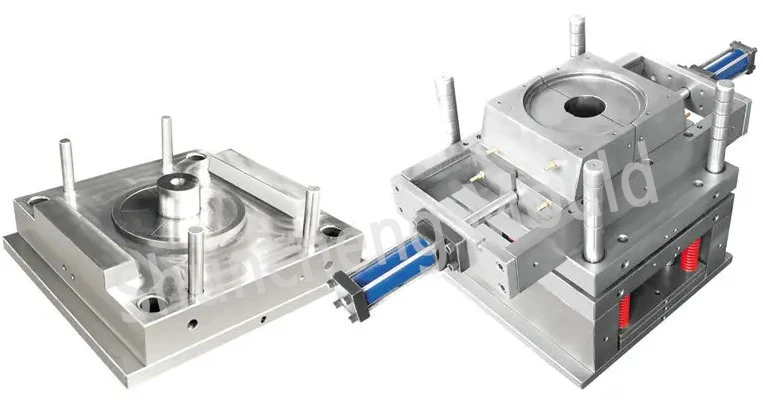
Inspect the moving parts of the mould, like the ejector pins and slides. Make sure they are moving smoothly and are not stuck. If you notice any resistance or abnormal movement, it could be a sign of a problem. For example, the ejector pins might be bent or there could be debris in the slide mechanisms.
Also, check the alignment of the mould halves. Misaligned mould halves can lead to flash (excess plastic around the edges of the spool) and other quality issues. You can use precision measuring tools to check the alignment.
Lubrication
Proper lubrication is essential for the smooth operation of the moving parts in the plastic spool mould. Lubricants reduce friction between the moving parts, which helps to prevent wear and tear and extends the lifespan of the mould.
Choose a lubricant that is suitable for the mould material and the operating conditions. For example, if the mould operates at high temperatures, you'll need a high - temperature lubricant. Apply the lubricant to the ejector pins, slides, and other moving parts according to the manufacturer's recommendations.
Be careful not to over - lubricate the mould. Excess lubricant can attract dust and debris, which can cause problems in the long run. Also, make sure to clean off any old lubricant before applying a new one.
Storage
When the mould is not in use, proper storage is important. Store the mould in a clean, dry, and temperature - controlled environment. Moisture can cause corrosion on the mould surfaces, especially if it's made of metal.
You can use a protective coating on the mould surfaces to prevent corrosion during storage. There are many commercially available coatings that are designed for this purpose. Make sure to follow the application instructions carefully.
Also, store the mould in a way that it won't be damaged. Avoid stacking heavy objects on top of the mould. If possible, use a dedicated storage rack for the mould.
Repair and Refurbishment
Even with the best maintenance practices, there will come a time when the mould needs repair or refurbishment. If you notice any significant damage during the inspection, such as large cracks or severe wear, it's important to address the issue as soon as possible.
For minor repairs, you might be able to do them in - house if you have the necessary skills and tools. However, for major repairs or refurbishment, it's often best to send the mould back to the manufacturer or a professional mould repair service. They have the expertise and equipment to carry out the repairs correctly.
When the mould is being repaired or refurbished, it's a good opportunity to upgrade it if needed. For example, you might want to improve the cooling system or change the design of the ejector mechanism to increase the production efficiency.
Importance of Documentation
Keep detailed records of all the maintenance activities, including cleaning, inspection, lubrication, and repairs. This documentation can be very useful in the long run. It can help you track the history of the mould, identify any recurring problems, and plan for future maintenance.
You can use a simple spreadsheet to record the maintenance activities. Include details such as the date of the maintenance, the type of maintenance performed, and any observations or issues found during the maintenance.
Conclusion
Maintaining a plastic spool mould is not a one - time task but an ongoing process. By following these tips, you can ensure that your mould stays in good condition, produces high - quality plastic spools, and has a long lifespan.
If you're in the market for a new Plastic Cone Bobbin Mould, Cable Spool Plastic Injection Mold, or Injection Plastic Spool Bobbin Mould, or if you have any questions about mould maintenance, feel free to reach out. We're here to help you with all your plastic spool mould needs. Whether you're looking to optimize your current mould or invest in a new one, we can provide the solutions you need. Contact us to start a discussion about your specific requirements and let's work together to achieve your production goals.
References
- "Plastic Mould Design and Manufacturing Handbook"
- Industry - specific technical bulletins on plastic spool mould maintenance
- Articles from leading plastic processing magazines