

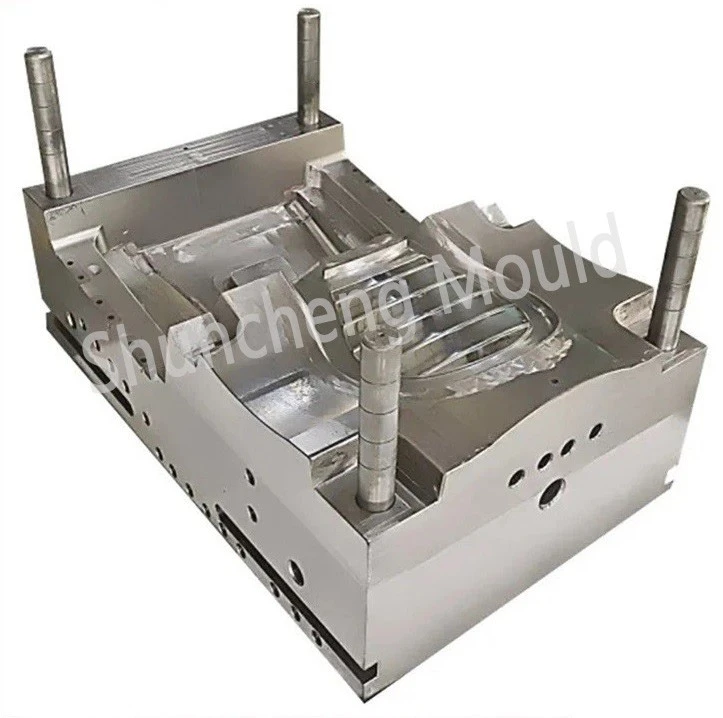
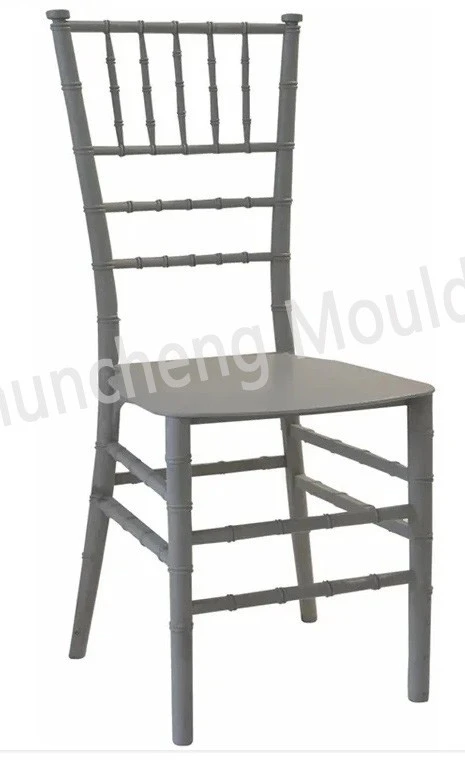
Maintaining a plastic chair mould is crucial for both the quality of the chairs produced and the overall efficiency of your manufacturing process. As a supplier of a wide range of plastic chair moulds, including Chair Gas - assisted Injection Mold, Plastic Transparent Chair Mould, and Plastic Rattan Chair Mould, I understand the significance of proper mould maintenance. In this blog, I will share some essential tips on how to maintain a plastic chair mould effectively.
Regular Cleaning
One of the most fundamental steps in mould maintenance is regular cleaning. After each production run, the mould should be cleaned to remove any residual plastic, lubricants, or other contaminants. This can prevent the build - up of debris, which may lead to surface defects on the chairs and affect the mould's performance over time.
To clean the mould, start by using a soft brush or compressed air to remove loose particles. Then, use a suitable cleaning solvent recommended by the mould manufacturer. Apply the solvent to a clean cloth and gently wipe the mould surface. Be careful not to scratch the mould, as even minor scratches can cause problems with the chair's finish.
For hard - to - reach areas, such as small cavities or undercuts, specialized cleaning tools like dental picks or small brushes can be used. After cleaning, thoroughly dry the mould to prevent rust and corrosion.
Inspection and Detection
Regular inspection is another key aspect of mould maintenance. Inspect the mould before and after each production cycle to identify any signs of wear, damage, or misalignment. Look for cracks, chips, or excessive wear on the mould surface, as well as any issues with the moving parts, such as slides, cores, and ejector pins.
Use precision measuring tools, such as calipers and micrometers, to check the dimensions of the mould components. Any significant deviation from the design specifications may indicate a problem that needs to be addressed. Non - destructive testing methods, such as ultrasonic testing or dye penetrant inspection, can be used to detect internal defects that may not be visible to the naked eye.
In addition to visual and dimensional inspections, monitor the performance of the mould during production. Pay attention to factors such as cycle time, injection pressure, and part quality. Any sudden changes in these parameters may be a sign of a mould problem.
Lubrication
Proper lubrication is essential for the smooth operation of the moving parts in the plastic chair mould. Lubrication reduces friction, wear, and heat generation, which can extend the lifespan of the mould and improve its performance.
Choose a high - quality lubricant that is compatible with the mould materials and the plastic resin used in the production process. Apply the lubricant to the appropriate areas, such as slide surfaces, guide pins, and ejector pins, according to the manufacturer's recommendations.
Be careful not to over - lubricate the mould, as excess lubricant can attract dirt and debris, leading to contamination and potential problems. Regularly clean and re - apply the lubricant to maintain its effectiveness.
Temperature Control
Maintaining the correct temperature is crucial for the performance and longevity of the plastic chair mould. During the injection molding process, the mould needs to be heated to a specific temperature to ensure proper plastic flow and part formation. After the part is ejected, the mould needs to be cooled to a suitable temperature for the next cycle.
Use a reliable temperature control system to monitor and regulate the mould temperature. This can help prevent thermal stress, which can cause cracks and deformation in the mould. Additionally, proper temperature control can improve the quality of the chairs produced, reducing the likelihood of defects such as warping and sink marks.
Storage
When the plastic chair mould is not in use, proper storage is essential to prevent damage. Store the mould in a clean, dry, and temperature - controlled environment. Protect the mould from dust, moisture, and physical damage by covering it with a protective sheet or storing it in a dedicated mould cabinet.
Before storing the mould, clean and lubricate it as described above. Mark the mould clearly with its identification number and any relevant information, such as the type of chair it is used to produce and the last maintenance date.
Preventive Maintenance Schedule
Establishing a preventive maintenance schedule is an effective way to ensure the long - term performance of the plastic chair mould. A preventive maintenance schedule outlines the tasks to be performed at regular intervals, such as cleaning, inspection, lubrication, and calibration.
The frequency of the maintenance tasks depends on several factors, including the production volume, the type of plastic resin used, and the operating conditions. Generally, a more frequent maintenance schedule is required for high - volume production or when using abrasive or corrosive resins.
Training and Education
Proper training and education of the operators and maintenance personnel are crucial for effective mould maintenance. Ensure that all relevant staff are trained on how to handle, clean, inspect, and maintain the plastic chair moulds properly.
Provide training on the use of the temperature control system, lubrication procedures, and the operation of any specialized maintenance equipment. Regularly update the training to keep the staff informed of the latest maintenance techniques and best practices.
Conclusion
Maintaining a plastic chair mould is a comprehensive process that requires attention to detail and a commitment to regular maintenance. By following the tips outlined in this blog, you can extend the lifespan of your mould, improve the quality of the chairs produced, and enhance the overall efficiency of your manufacturing process.
If you are interested in our high - quality plastic chair moulds, including Chair Gas - assisted Injection Mold, Plastic Transparent Chair Mould, and Plastic Rattan Chair Mould, or if you have any questions about mould maintenance, please feel free to contact us for further procurement discussions.
References
- "Plastic Injection Molding Handbook" by Johannaber, Fritz and Michaeli, Walter
- "Mold Making Technology" magazine (various issues)
- Manufacturer's manuals for plastic chair moulds and related equipment