

As a dedicated supplier of Plastic Spool Moulds, I understand the critical importance of achieving a high - quality surface finish on plastic spools. A smooth and defect - free surface not only enhances the aesthetic appeal of the spools but also plays a significant role in their functionality, especially when it comes to applications such as cable winding or thread spooling. In this blog, I will share some practical strategies and insights on how to improve the surface quality of plastic spools made by a mould.
1. Mould Design and Manufacturing
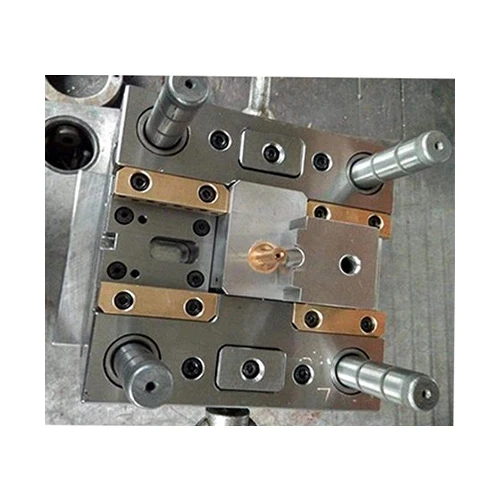
- Precision Machining: The foundation of a high - quality plastic spool lies in the precision of the mould. During the manufacturing process of the mould, advanced machining techniques should be employed. For example, Computer Numerical Control (CNC) machining can provide extremely accurate dimensions and smooth surfaces for the mould cavities. This precision ensures that the plastic spools produced will have consistent shapes and minimal surface irregularities.
- Surface Treatment of the Mould: Applying appropriate surface treatments to the mould can significantly improve the surface quality of the plastic spools. For instance, mirror polishing can be carried out on the mould cavities. Mirror - polished moulds can impart a smooth and shiny surface to the plastic spools, reducing the likelihood of surface defects such as sink marks and flow lines. Chrome plating is another effective surface treatment option. Chrome - plated moulds offer better corrosion resistance and a smoother surface finish, which is beneficial for the demoulding process and the overall surface quality of the spools.
- Gate Design: The design of the gate in the mould has a direct impact on the flow of plastic melt and the surface quality of the spools. A well - designed gate should ensure a uniform and balanced flow of plastic into the mould cavity. For example, a fan - shaped gate can distribute the plastic melt more evenly, reducing the formation of weld lines and improving the surface appearance of the spools. Additionally, the size and location of the gate should be carefully considered. A gate that is too small may cause high shear stress and result in surface blemishes, while an improperly located gate can lead to uneven filling and poor surface quality.
2. Plastic Material Selection
- Material Purity: The purity of the plastic material used for manufacturing spools is crucial. Impurities in the plastic can cause surface defects such as black spots, streaks, or rough patches on the spools. Therefore, it is essential to source high - quality plastic materials from reliable suppliers. Conducting regular quality checks on the incoming plastic materials can help ensure their purity and consistency.
- Melt Flow Index (MFI): The melt flow index of the plastic material is an important parameter that affects the flowability of the plastic melt in the mould. A plastic material with an appropriate MFI should be selected based on the design and size of the spools. If the MFI is too low, the plastic melt may not flow smoothly into the mould cavity, resulting in incomplete filling and surface voids. On the other hand, a very high MFI may cause excessive flash and poor dimensional stability. For example, for small - sized spools, a plastic material with a relatively higher MFI may be more suitable to ensure proper filling of the mould.
- Additives: Adding certain additives to the plastic material can improve the surface quality of the spools. For example, lubricants can be added to reduce friction between the plastic and the mould surface during the demoulding process, preventing surface scratches. Anti - oxidants can be used to prevent the degradation of the plastic material during the injection moulding process, which can also have a positive impact on the surface quality of the spools.
3. Injection Moulding Process Optimization
- Melt Temperature: Controlling the melt temperature is vital for achieving a good surface finish on plastic spools. If the melt temperature is too low, the plastic may not flow properly, leading to surface defects such as short shots and flow lines. Conversely, if the melt temperature is too high, the plastic may degrade, resulting in yellowing, brittleness, and poor surface quality. Therefore, it is necessary to determine the optimal melt temperature range for the specific plastic material being used. This can be achieved through experimental testing and by referring to the material manufacturer's recommendations.
- Mould Temperature: The mould temperature also plays a crucial role in the surface quality of the spools. A proper mould temperature can ensure uniform cooling of the plastic melt, reducing the formation of sink marks and warping. Generally, a higher mould temperature can result in a smoother surface finish, but it may also increase the cycle time. Therefore, a balance needs to be struck between the surface quality and the production efficiency. For example, using a temperature - controlled mould system can help maintain a stable and appropriate mould temperature throughout the injection moulding process.
- Injection Pressure and Speed: The injection pressure and speed have a significant impact on the filling of the mould cavity and the surface quality of the spools. A high injection pressure can ensure complete filling of the mould cavity, but it may also cause excessive flash and surface defects if not properly controlled. The injection speed should be adjusted according to the design of the mould and the properties of the plastic material. A slow injection speed may lead to incomplete filling and poor surface quality, while a too - high injection speed can cause air entrapment and surface blemishes. Therefore, it is necessary to optimize the injection pressure and speed through trial - and - error and process monitoring.
4. Demoulding Process
- Demoulding Force: Excessive demoulding force can cause damage to the surface of the plastic spools. To reduce the demoulding force, proper mould release agents can be used. Mould release agents can create a thin film between the plastic and the mould surface, facilitating the smooth removal of the spools from the mould. Additionally, the design of the mould should allow for easy demoulding. For example, incorporating draft angles on the side walls of the spool cavities can reduce the frictional force during demoulding and prevent surface scratches.
- Demoulding Timing: The timing of demoulding is also important for the surface quality of the spools. Demoulding the spools too early, when the plastic has not fully solidified, can cause deformation and surface defects. On the other hand, demoulding too late may increase the risk of the spools sticking to the mould and damaging the surface. Therefore, it is necessary to determine the optimal demoulding time based on the cooling time of the plastic and the properties of the mould.
5. Quality Control and Inspection
- In - process Inspection: Conducting in - process inspections during the injection moulding process is essential for detecting and correcting surface defects in a timely manner. Visual inspections can be carried out at regular intervals to check for surface defects such as sink marks, flow lines, and scratches. In addition, using non - destructive testing methods, such as ultrasound testing, can help detect internal defects that may affect the surface quality of the spools.
- Final Inspection: A comprehensive final inspection should be performed on the plastic spools after demoulding. This can include visual inspection under proper lighting conditions to ensure that the surface finish meets the required standards. Measuring instruments such as surface roughness testers can be used to quantify the surface roughness of the spools. Any spools with surface defects that do not meet the quality requirements should be rejected or re - worked.
As a supplier of Plastic Spool Moulds, we offer a wide range of high - quality moulds, including Plastic Bobbin Coil Mold, Injection Plastic Spool Bobbin Mould, and Cable Spool Plastic Injection Mold. Our moulds are designed and manufactured with the latest technologies and strict quality control measures to ensure that they can produce plastic spools with excellent surface quality.

If you are interested in improving the surface quality of your plastic spools or are in need of high - quality Plastic Spool Moulds, please feel free to contact us for procurement and further discussions. We are committed to providing you with the best solutions and services to meet your specific requirements.
References
- Behravesh, I., & Kazmer, D. O. (2009). Effects of mold surface energy on plastic surface finish. Polymer Engineering and Science, 49(11), 2272 - 2280.
- Rosato, D. V., Rosato, D. V., & Rosato, M. G. (2000). Injection Molding Handbook. Kluwer Academic Publishers.
- Throne, J. L. (1996). Thermoplastic Molding: Materials, Processing, and Applications. Marcel Dekker.