

Customizing a grille mould is a complex yet rewarding process that requires effective communication between you and the manufacturer. As a grille mould supplier, I've witnessed firsthand the significance of clear and consistent communication in ensuring the successful creation of high - quality grille moulds. In this blog, I'll share some valuable insights on how to communicate with the manufacturer during the customization of a grille mould.
Initial Consultation
The first step in the customization process is the initial consultation. This is your opportunity to lay the foundation for the entire project. Start by providing the manufacturer with a detailed description of your requirements. Explain the type of grille you are aiming for, such as whether it is for automotive, home appliances, or other industries.
For instance, if you are looking for an Automotive Grille Injection Mould, you need to discuss the specific design features of the automotive grille. Are there any unique patterns, logos, or dimensions that need to be incorporated? Provide as many details as possible, including sketches or 3D models if available. This will help the manufacturer understand your vision accurately.
During this consultation, also talk about the expected volume of production. The production volume can significantly impact the choice of materials and manufacturing processes for the mould. A high - volume production might require a more durable and long - lasting mould, while a low - volume production could allow for more cost - effective options.
Technical Specifications
Once the initial consultation is over, it's time to dive into the technical specifications. Work closely with the manufacturer's engineering team to define the exact technical requirements of the grille mould. This includes details such as the material of the mould, the surface finish, and the tolerance levels.
The material of the mould is crucial as it determines the durability and performance of the mould. Different materials have different properties, such as hardness, heat resistance, and machinability. For example, steel is a commonly used material for grille moulds due to its high strength and durability. Discuss with the manufacturer which material is the most suitable for your specific application.
Surface finish is another important aspect. A smooth surface finish can result in a better - looking grille, while a textured finish might be required for specific design purposes. Specify the desired surface finish, and the manufacturer can recommend the appropriate manufacturing processes to achieve it.
Tolerance levels refer to the allowable deviation from the specified dimensions. Tighter tolerance levels generally result in a more precise grille, but they can also increase the cost of the mould. You need to strike a balance between the required precision and the cost. Work with the manufacturer to determine the optimal tolerance levels for your grille mould.
Design Review
After the technical specifications are defined, the manufacturer will create a design for the grille mould. This design should be reviewed thoroughly before any manufacturing begins. Schedule a design review meeting with the manufacturer's design team.
During the design review, carefully examine the design from both a functional and aesthetic perspective. Check if all the design features you requested are included, and if there are any potential issues or improvements. For example, if you are customizing a Grille Cover Mould, make sure the design allows for easy assembly and disassembly of the grille cover.
Provide feedback in a clear and constructive manner. If you have any concerns or suggestions, communicate them to the manufacturer immediately. The design review is an iterative process, and it might take several rounds of revisions to finalize the design. This is a critical stage in the customization process, as any errors or misunderstandings in the design can lead to costly mistakes during manufacturing.
Manufacturing Progress Updates
Once the design is finalized, the manufacturing of the grille mould begins. It's important to stay informed about the manufacturing progress. Request regular progress updates from the manufacturer.
The manufacturer can provide you with detailed reports on the different stages of manufacturing, such as the machining of the mould components, the heat treatment process, and the surface finishing. These updates can help you track the progress of the project and identify any potential delays or issues early on.
If there are any changes or unexpected problems during the manufacturing process, the manufacturer should communicate them to you promptly. For example, if a particular material is not available and a substitute needs to be used, the manufacturer should discuss this with you and get your approval before proceeding.
Quality Control
Quality control is an essential part of the customization process. The manufacturer should have a comprehensive quality control system in place to ensure that the grille mould meets all the specified requirements.
Ask the manufacturer about their quality control procedures. They should be able to provide details on how they inspect the mould at different stages of manufacturing, such as using dimensional inspection tools and non - destructive testing methods. Request to see the quality control reports, which can give you confidence in the quality of the grille mould.
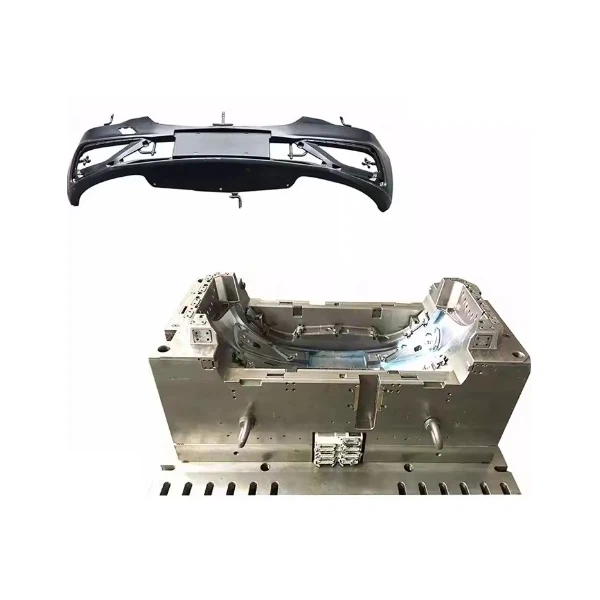

If possible, conduct an on - site inspection of the grille mould before it is shipped. This allows you to verify the quality firsthand and address any last - minute concerns.
Cost and Payment Terms
Throughout the customization process, be clear about the cost and payment terms. The manufacturer should provide you with a detailed cost breakdown, including the cost of materials, labor, and any additional services.
Discuss the payment schedule with the manufacturer. A common payment schedule is to make an initial deposit at the start of the project, followed by progress payments at different milestones, and the final payment upon completion and acceptance of the grille mould. Make sure you understand the payment terms and are comfortable with them before signing any contracts.
Post - Manufacturing Support
After the grille mould is delivered, the communication with the manufacturer should not stop. You might encounter some issues during the initial use of the mould, such as minor adjustments or troubleshooting. The manufacturer should provide post - manufacturing support to help you resolve these issues.
Establish a clear communication channel for post - manufacturing support. This could be through email, phone, or a dedicated customer support portal. The manufacturer should be responsive and willing to assist you in ensuring the smooth operation of the grille mould.
Conclusion
Customizing a grille mould requires effective communication at every stage of the process. From the initial consultation to the post - manufacturing support, clear and consistent communication with the manufacturer is essential for a successful outcome. By following the steps outlined in this blog, you can ensure that your grille mould meets your expectations in terms of design, quality, and cost.
If you are interested in customizing a grille mould, we are here to assist you. Our team of experts has extensive experience in grille mould customization and can provide you with high - quality solutions. Contact us to start the procurement and negotiation process, and let's work together to create the perfect grille mould for your needs.
References
- Industry best practices in grille mould customization
- Previous successful grille mould customization projects