

How to choose the right plastic spool mould for my production?
Choosing the right plastic spool mould is a critical decision for any manufacturing operation. As a plastic spool mould supplier, I understand the complexities involved in this process. A well - selected mould can significantly impact the quality, efficiency, and profitability of your plastic spool production. In this blog, I will share some key factors to consider when making this important choice.
1. Production Volume
The first aspect to weigh is your anticipated production volume. If you are planning for high - volume production, you need a mould that can withstand continuous and intensive use. High - volume production typically requires a robust mould made from high - quality steel, such as P20 or H13. These steels can better resist wear, corrosion, and thermal stress, ensuring a longer lifespan for the mould.
On the other hand, for low - volume production, you may opt for a less expensive mould material, like aluminium. Aluminium moulds are quicker and cheaper to manufacture, making them a cost - effective solution for short - run production.
2. Plastic Material
The type of plastic material you intend to use in the production of plastic spools is another crucial factor. Different plastics have different properties, such as melting point, viscosity, and shrinkage rate. For instance, polypropylene (PP) is a commonly used plastic for spools due to its good chemical resistance and low cost. However, it has a relatively high shrinkage rate compared to some other plastics.
If you are using a plastic with high shrinkage, the mould design needs to take this into account. This might involve adjusting the dimensions of the mould cavity to ensure that the final plastic spool meets your required specifications. Similarly, if you are using a high - temperature plastic, the mould must be able to handle the elevated temperatures without warping or deforming.
3. Spool Design
The design of the plastic spool itself has a direct bearing on the mould selection. Complex spool designs with intricate features, such as undercuts, thin walls, or complex geometries, require more sophisticated moulds. For example, if your spool has an internal thread or a snap - fit feature, the mould will need to incorporate mechanisms like side - actions or collapsible cores to allow for proper ejection of the part.
Before finalizing the spool design, it is advisable to consult with the mould supplier. Our team of experts can provide valuable insights on whether a particular design is feasible and suggest modifications to optimize the manufacturing process.
4. Precision Requirements
The level of precision required for your plastic spools is another consideration. In applications where precise dimensions and tight tolerances are crucial, such as in the electronics or automotive industries, a high - precision mould is essential. High - precision moulds are manufactured using advanced machining techniques, such as CNC machining and electrical discharge machining (EDM), which can achieve extremely accurate dimensions.
To ensure the quality of the mould, it is important to ask your supplier about their quality control measures. We have a strict quality control system in place, including in - process inspections and final dimensional checks using precision measuring equipment.
5. Mould Cost
Cost is always a significant factor in any manufacturing decision. While it may be tempting to choose the lowest - cost mould, it is important to consider the long - term implications. A cheaper mould may have a shorter lifespan, require more frequent maintenance, and produce lower - quality parts.
When evaluating the cost of a mould, look beyond the initial purchase price. Consider factors such as tooling life, maintenance requirements, and production efficiency. A more expensive but higher - quality mould may actually save you money in the long run by reducing downtime, scrap rates, and the need for frequent replacements.
6. Supplier Experience and Reputation
The experience and reputation of the mould supplier are vital. An experienced supplier is more likely to have the technical expertise to design and manufacture a high - quality mould. They can guide you through the entire process, from design to production, and provide solutions to any problems that may arise.
Check for reviews and testimonials from other customers. Our company has a proven track record in the plastic spool mould industry. We have worked with numerous clients across different sectors and have a reputation for delivering high - quality moulds on time and within budget.
7. After - Sales Support
After - sales support is an often - overlooked but important factor. A reliable supplier should offer comprehensive after - sales support, including mould maintenance, repair, and technical assistance. In case of any issues with the mould during production, prompt support can minimize downtime and keep your production line running smoothly.
We offer a full range of after - sales services. Our team of technicians is available to provide on - site support if needed, and we also offer a quick turnaround time for mould repairs.
Our Product Range
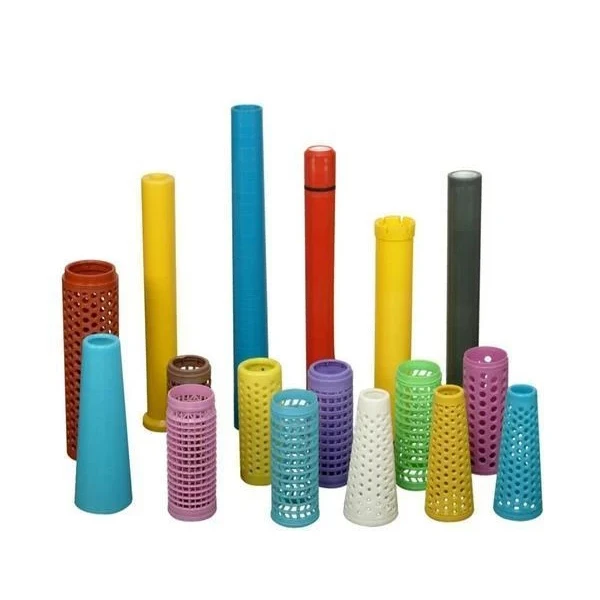
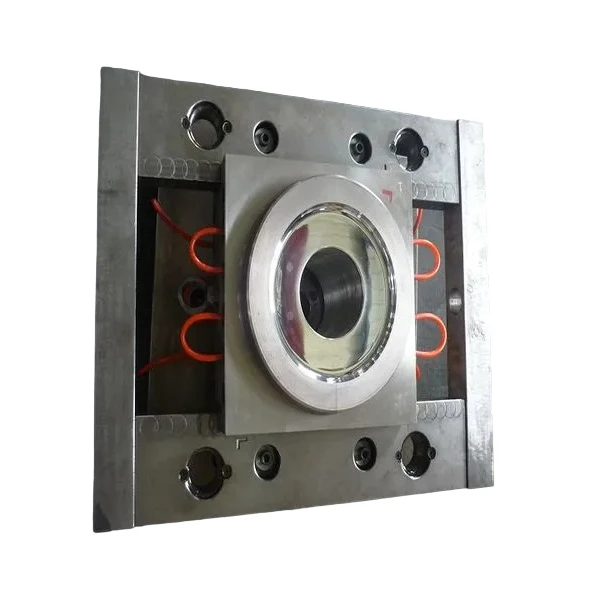
As a plastic spool mould supplier, we offer a wide variety of moulds to meet different production needs. Our product portfolio includes Plastic Cone Bobbin Mould, Injection Plastic Spool Bobbin Mould, and Plastic Bobbin Coil Mold. Each of these moulds is designed and manufactured to the highest standards, ensuring optimal performance and durability.
Conclusion
Selecting the right plastic spool mould is a multi - faceted process that requires careful consideration of various factors. By taking into account production volume, plastic material, spool design, precision requirements, mould cost, supplier experience, and after - sales support, you can make an informed decision that will benefit your production in the long term.
If you are in the process of choosing a plastic spool mould for your production, or if you have any questions or need further information, we encourage you to contact us. Our team of experts is ready to assist you in finding the perfect mould solution for your specific needs.
References
- "Plastic Injection Molding Handbook" by Dominik Johannaber
- "Mold Design for Plastic Parts" by Robert A. Malloy