

In the dynamic landscape of children's toys, the design of an Airship Product plays a pivotal role in determining its overall performance. As a trusted Airship Product supplier, I've witnessed firsthand how every aspect of design can impact how these toys function, engage children, and stand the test of time. This blog post delves into the intricate relationship between the design of an Airship Product and its performance, exploring various factors that contribute to a successful product.
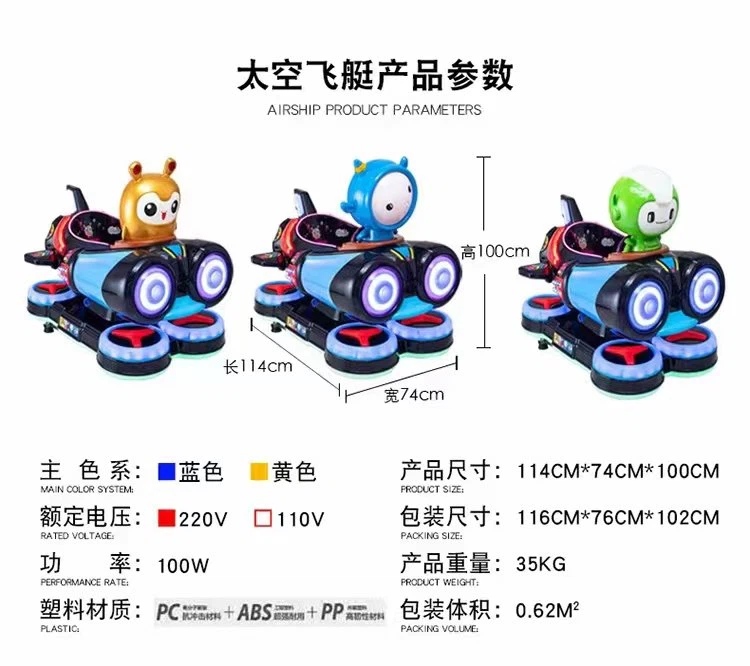
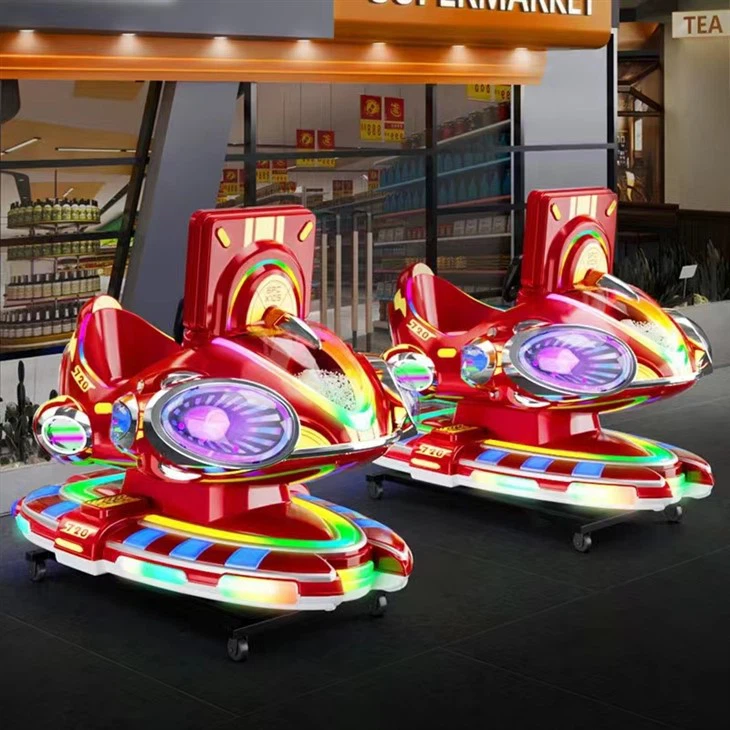
Aerodynamics and Structural Design
One of the most fundamental aspects of an Airship Product's design is its aerodynamics. Just like real airships, these toys need to be designed in a way that allows them to move smoothly through the air. A streamlined shape reduces air resistance, enabling the airship to travel faster and more efficiently. For example, the hull of the airship should be designed with a rounded front and a tapered rear, which helps to minimize drag. Additionally, the placement of fins and stabilizers can greatly affect the airship's stability and maneuverability. Well-designed fins can provide the necessary lift and control, allowing the airship to make turns and adjustments in flight.
The structural design of the airship is also crucial for its performance. The materials used in construction must be strong enough to withstand the forces exerted during flight, while also being lightweight to ensure optimal performance. For instance, many modern airship products are made from high-quality plastics or composite materials that offer a good balance of strength and weight. The internal framework of the airship should be designed to distribute the weight evenly, preventing any stress points that could lead to structural failure. A well-constructed airship will not only perform better but also have a longer lifespan, reducing the need for frequent replacements.
Power and Propulsion Systems
The power and propulsion systems of an Airship Product are directly related to its design. The type of engine or power source used can significantly impact the airship's speed, range, and flight time. Electric motors are a popular choice for many airship products due to their efficiency and ease of use. They can provide a consistent level of power, allowing the airship to maintain a steady flight. The design of the motor and its placement within the airship can also affect its performance. For example, a well-placed motor can help to balance the airship and improve its stability.
The propulsion system, such as the propellers or fans, must be designed to work in harmony with the power source. The size, shape, and number of propellers can all influence the airship's thrust and efficiency. A larger propeller may provide more thrust, but it may also require more power to operate. On the other hand, a smaller propeller may be more efficient but may not generate enough thrust for a larger airship. The design of the propulsion system must take into account the specific requirements of the airship, such as its size, weight, and intended use.
User Interface and Control Design
The user interface and control design of an Airship Product are essential for a positive user experience. Children need to be able to easily operate the airship, which means the controls should be intuitive and easy to understand. The design of the remote control or other control mechanisms should be ergonomic, fitting comfortably in a child's hand. Buttons and switches should be clearly labeled and easy to press, allowing children to control the airship's movement, speed, and other functions with ease.
In addition to the physical controls, the user interface design can also include features such as LED lights or sound effects. These features can enhance the overall experience for the child and make the airship more engaging. For example, LED lights can be used to indicate the airship's status or to create a more visually appealing effect. Sound effects can add to the realism of the flight experience, making the airship more exciting for children to play with.
Safety and Durability Design
Safety is a top priority when it comes to the design of Airship Products. The airship should be designed to minimize the risk of injury to children during use. This includes features such as rounded edges, soft materials, and secure fastenings. The design should also take into account the potential for the airship to crash or collide with objects. For example, some airship products are designed with shock-absorbing materials or flexible structures to reduce the impact of a crash.
Durability is another important aspect of design. Children can be rough with their toys, so the airship must be able to withstand normal wear and tear. The materials used in construction should be resistant to scratches, dents, and other forms of damage. The design should also ensure that the airship is easy to clean and maintain. A durable airship will not only provide a better value for money but also give parents peace of mind knowing that their child's toy is built to last.
Aesthetic Design and Market Appeal
The aesthetic design of an Airship Product can have a significant impact on its market appeal. Children are often attracted to toys that are visually appealing and have unique designs. The color scheme, graphics, and overall appearance of the airship can make it more appealing to different age groups and genders. For example, a brightly colored airship with fun characters or themes may be more popular among younger children, while a more realistic and high-tech design may appeal to older kids.
In addition to attracting children, the aesthetic design can also influence parents' purchasing decisions. Parents are more likely to buy a toy that looks well-made and has a positive image. A well-designed airship can also help to differentiate it from competitors in the market. By offering a unique and eye-catching design, suppliers can increase the chances of their Airship Products standing out on the shelves and being chosen by consumers.
Conclusion
In conclusion, the design of an Airship Product has a profound impact on its performance. From aerodynamics and structural design to power and propulsion systems, user interface, safety, durability, and aesthetic appeal, every aspect of design contributes to how well the airship functions and how appealing it is to consumers. As a supplier of Airship Products, we understand the importance of getting these design elements right. By focusing on innovation and quality in design, we can offer products that not only meet but exceed the expectations of children and parents alike.
If you're interested in purchasing high-quality Airship Products for your store or business, we invite you to [initiate a procurement discussion]. We're committed to providing the best products and services, and we look forward to working with you to meet your needs.
References
- Smith, J. (2020). The Science of Toy Design. Toy Industry Press.
- Johnson, A. (2019). Aerodynamics for Children's Toys. Playtime Publications.
- Brown, K. (2021). Safety Standards in Toy Design. Safety First Books.