

In today's environmentally conscious world, the demand for eco-friendly products is on the rise, and the plastic chair industry is no exception. As a Plastic Chair Mould supplier, I often receive inquiries about whether there are any eco-friendly options available. In this blog post, I will explore the various eco-friendly plastic chair mould options that are currently available in the market, and discuss their benefits and limitations.
The Need for Eco-Friendly Plastic Chair Moulds
Plastic chairs are a common sight in homes, offices, restaurants, and other public places. They are popular because they are lightweight, durable, and affordable. However, traditional plastic chairs are made from non-biodegradable materials, such as polypropylene and polyethylene, which can take hundreds of years to decompose in landfills. This has led to a growing concern about the environmental impact of plastic waste, and has prompted many consumers to look for more sustainable alternatives.
Eco-friendly plastic chair moulds offer a solution to this problem. By using these moulds, manufacturers can produce plastic chairs that are made from biodegradable or recycled materials, which are more environmentally friendly than traditional plastic chairs. This not only helps to reduce the amount of plastic waste in landfills, but also conserves natural resources and reduces the carbon footprint of the manufacturing process.
Types of Eco-Friendly Plastic Chair Moulds
There are several types of eco-friendly plastic chair moulds available in the market, each with its own unique features and benefits. Some of the most common types of eco-friendly plastic chair moulds include:
Biodegradable Plastic Chair Moulds
Biodegradable plastic chair moulds are designed to produce chairs that are made from biodegradable materials, such as polylactic acid (PLA), polyhydroxyalkanoates (PHA), and starch-based plastics. These materials are derived from renewable resources, such as corn, sugarcane, and potatoes, and can be broken down by microorganisms in the environment within a relatively short period of time.
One of the main benefits of biodegradable plastic chair moulds is that they help to reduce the amount of plastic waste in landfills. When biodegradable plastic chairs are discarded, they can be composted or recycled, which helps to divert them from landfills and reduce their environmental impact. In addition, biodegradable plastic chairs are often made from renewable resources, which helps to conserve natural resources and reduce the carbon footprint of the manufacturing process.
However, there are also some limitations to biodegradable plastic chair moulds. One of the main limitations is that biodegradable plastics are often more expensive than traditional plastics, which can make them less competitive in the market. In addition, biodegradable plastics may not have the same strength and durability as traditional plastics, which can limit their use in certain applications.
Recycled Plastic Chair Moulds
Recycled plastic chair moulds are designed to produce chairs that are made from recycled plastic materials, such as post-consumer plastic waste and industrial plastic scrap. These materials are collected, sorted, and processed into pellets, which can then be used to manufacture new plastic chairs.
One of the main benefits of recycled plastic chair moulds is that they help to reduce the amount of plastic waste in landfills. By using recycled plastic materials, manufacturers can divert plastic waste from landfills and give it a new life as a useful product. In addition, recycled plastic chairs are often made from materials that would otherwise be discarded, which helps to conserve natural resources and reduce the carbon footprint of the manufacturing process.
However, there are also some limitations to recycled plastic chair moulds. One of the main limitations is that recycled plastics may not have the same quality and consistency as virgin plastics, which can affect the performance and appearance of the finished product. In addition, the availability of recycled plastic materials can be limited, which can make it difficult for manufacturers to source the materials they need.
Hybrid Plastic Chair Moulds
Hybrid plastic chair moulds are designed to produce chairs that are made from a combination of biodegradable and recycled plastic materials. These materials are blended together to create a new material that has the benefits of both biodegradable and recycled plastics.
One of the main benefits of hybrid plastic chair moulds is that they offer a more sustainable alternative to traditional plastic chairs. By using a combination of biodegradable and recycled plastic materials, manufacturers can reduce the amount of plastic waste in landfills, conserve natural resources, and reduce the carbon footprint of the manufacturing process. In addition, hybrid plastic chairs can have the same strength and durability as traditional plastic chairs, which makes them suitable for a wide range of applications.
However, there are also some limitations to hybrid plastic chair moulds. One of the main limitations is that hybrid plastics can be more complex to manufacture than traditional plastics, which can increase the cost of production. In addition, the availability of hybrid plastic materials can be limited, which can make it difficult for manufacturers to source the materials they need.
Benefits of Using Eco-Friendly Plastic Chair Moulds
There are several benefits to using eco-friendly plastic chair moulds, both for manufacturers and consumers. Some of the main benefits of using eco-friendly plastic chair moulds include:
Environmental Benefits
One of the main benefits of using eco-friendly plastic chair moulds is that they help to reduce the environmental impact of plastic chairs. By using biodegradable or recycled materials, manufacturers can reduce the amount of plastic waste in landfills, conserve natural resources, and reduce the carbon footprint of the manufacturing process. This not only helps to protect the environment, but also helps to meet the growing demand for sustainable products from consumers.
Cost Savings
Another benefit of using eco-friendly plastic chair moulds is that they can help to reduce the cost of production. By using recycled materials, manufacturers can reduce the cost of raw materials, which can help to lower the overall cost of production. In addition, some eco-friendly plastic materials, such as biodegradable plastics, may be eligible for government incentives or subsidies, which can further reduce the cost of production.
Improved Brand Image
Using eco-friendly plastic chair moulds can also help to improve the brand image of manufacturers. In today's environmentally conscious world, consumers are increasingly looking for products that are sustainable and environmentally friendly. By using eco-friendly plastic chair moulds, manufacturers can demonstrate their commitment to sustainability and environmental responsibility, which can help to improve their brand image and attract more customers.
Limitations of Using Eco-Friendly Plastic Chair Moulds
While there are many benefits to using eco-friendly plastic chair moulds, there are also some limitations that manufacturers and consumers should be aware of. Some of the main limitations of using eco-friendly plastic chair moulds include:
Higher Cost
One of the main limitations of using eco-friendly plastic chair moulds is that they can be more expensive than traditional plastic chair moulds. This is because eco-friendly plastic materials, such as biodegradable plastics and recycled plastics, are often more expensive than traditional plastics. In addition, the manufacturing process for eco-friendly plastic chairs may be more complex and require specialized equipment, which can also increase the cost of production.
Limited Availability
Another limitation of using eco-friendly plastic chair moulds is that the availability of eco-friendly plastic materials can be limited. This is because the production of eco-friendly plastic materials is still relatively new, and the demand for these materials is growing rapidly. As a result, it can be difficult for manufacturers to source the materials they need, which can limit their ability to produce eco-friendly plastic chairs.
Performance and Durability
Finally, some eco-friendly plastic materials may not have the same performance and durability as traditional plastics. This is because eco-friendly plastic materials, such as biodegradable plastics, are often designed to break down more quickly in the environment, which can affect their strength and durability. As a result, eco-friendly plastic chairs may not be suitable for all applications, and manufacturers may need to consider the specific requirements of their customers when choosing an eco-friendly plastic chair mould.
Conclusion
In conclusion, there are several eco-friendly plastic chair mould options available in the market, each with its own unique features and benefits. Biodegradable plastic chair moulds, recycled plastic chair moulds, and hybrid plastic chair moulds are all viable options for manufacturers who are looking to produce more sustainable plastic chairs. While there are some limitations to using eco-friendly plastic chair moulds, the benefits of using these moulds, such as environmental benefits, cost savings, and improved brand image, outweigh the limitations.
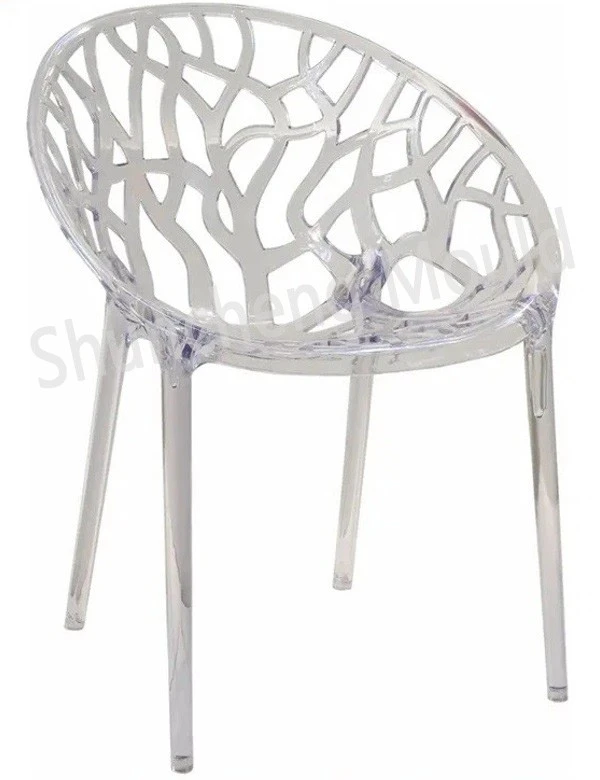
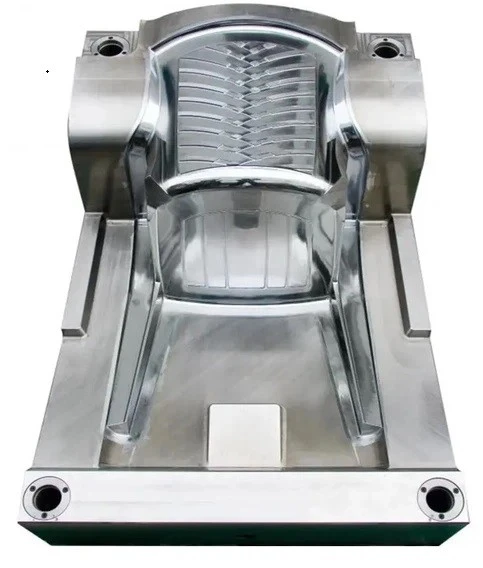
As a Plastic Chair Mould supplier, we are committed to providing our customers with high-quality eco-friendly plastic chair moulds that meet their specific needs and requirements. We offer a wide range of eco-friendly plastic chair moulds, including Plastic Transparent Chair Mould, Plastic Injection Chair Mould, and Rattan Chair Injection Mould. If you are interested in learning more about our eco-friendly plastic chair moulds, please contact us today to discuss your options.
References
- European Bioplastics. (2021). The State of Bioplastics 2021. Retrieved from https://www.european-bioplastics.org/wp-content/uploads/2021/06/State-of-Bioplastics-2021.pdf
- United Nations Environment Programme. (2021). Single-Use Plastics: A Roadmap for Sustainability. Retrieved from https://www.unep.org/resources/report/single-use-plastics-roadmap-sustainability
- World Economic Forum. (2016). The New Plastics Economy: Rethinking the Future of Plastics. Retrieved from https://www3.weforum.org/docs/WEF_The_New_Plastics_Economy.pdf