

Electric energy shell: What is it? Why pay attention? How is it made?
1) Introduction
In today's era, the application of electric energy is becoming more and more widespread, but the electric energy shell, as its key component, is often overlooked. What exactly is it? Why is it worthy of our attention? How is it made? Let's explore it in depth.
2) "What is it" - Overview of electric energy shell
1. Definition and classification
1.1 Definition
The electric energy shell is an external structure that wraps and protects electric energy-related components (such as batteries, circuit boards, etc.), and has physical protection, heat dissipation, electromagnetic shielding and other functions.
1.2 Classification
Electric vehicle battery shell:
The shape is mostly a large rectangular or irregular shape that adapts to chassis installation and battery layout.
Focusing on heat dissipation and high-strength protection, aluminum alloy is commonly used, with structures such as heat dissipation fins.
Power bank shell:
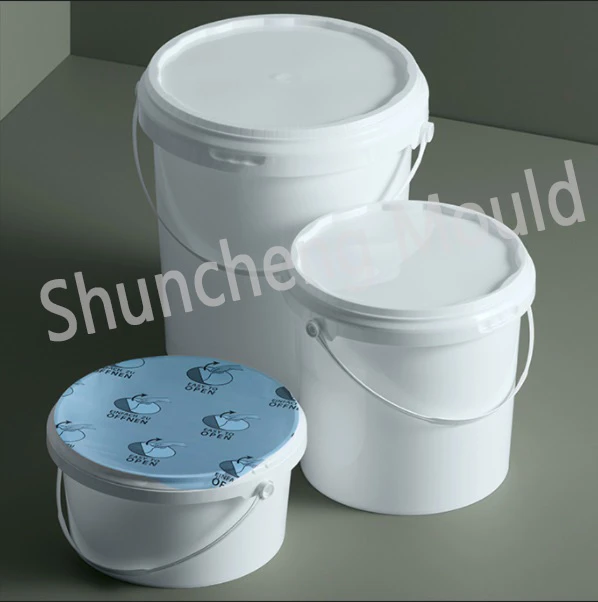
Small and portable, with various shapes.
Focusing on beauty and feel, ABS, PC and other engineering plastics are mostly used, which are low-cost and easy to process.
Solar panel assembly shell:
Depending on the shape of the solar panel and the installation method, common flat and curved shapes are available.
Good weather resistance is required, and high weather resistance materials are often used. Pay attention to sealing to prevent external factors from affecting the efficiency of the solar panel.
2. Material composition
2.1 Engineering plastics
ABS plastic:
Features: good strength, toughness, and processability, beautification of appearance, and low cost.
Applicable to: power banks, small household solar panel assembly shells, etc.
PC plastic:
Features: excellent transparency, good impact resistance and heat resistance.
Applicable to: shells of electric energy products that require transparency or impact resistance.
2.2 Metal materials
Aluminum alloy:
Features: light weight, good heat dissipation, and high strength.
Applicable to: shells of electric vehicle batteries, some outdoor portable power supplies, etc.
Steel:
Features: high strength and excellent protection, but weak heat dissipation and heavy weight.
Applicable to: shells of high-power industrial electric energy products.
3) "Why" - Reasons for paying attention to the shell of electric energy
1. Importance of protection function
Prevent external factors from intrusion: Electric energy components are sensitive, and the shell can prevent dust, moisture, foreign matter, etc. from intrusion, avoid short circuits, corrosion and other problems that affect product operation.
Physical protection function: The product will be subject to external forces, such as impact and extrusion. The shell can withstand these external forces, protect the internal components from deformation and damage, and ensure normal use.
2. Heat dissipation requirements
The importance of heat generation and heat dissipation: Electric energy components generate heat during operation. If the heat is not dissipated in time, it will cause performance degradation, shortened life, and potential safety hazards.
The coordination of shell heat dissipation design and internal heat dissipation system: For example, the heat dissipation design of computer power supplies and electric vehicle battery shells is coordinated with the internal heat dissipation system, and heat dissipation holes, heat dissipation fins, etc. are used to effectively dissipate heat.
3. Electromagnetic compatibility considerations
Electromagnetic compatibility requirements: Some electric energy products need to meet electromagnetic compatibility requirements because they generate electromagnetic radiation and are interfered by the outside world during operation.
The role of the shell as part of the electromagnetic shielding: the shell can reduce the interference of internal electromagnetic radiation to the outside world, and can also prevent external interference from affecting internal components, maintaining product stability and reliability.
4), "How to make it" - Electric Energy Shell Manufacturing Process
1. Design stage
1.1 Teamwork: The design team works closely with the Electric Energy product R&D team to determine the shell shape, structure and functional layout according to the product function, size and appearance requirements.
1.2 Key elements
Parting surface selection: Consider the shell shape to select the parting surface to ensure smooth demolding and no obvious traces on the appearance.
Gate location: Determine the gate location according to the shell shape, thickness and plastic fluidity to ensure that the plastic fills the cavity evenly.
Reinforcement rib design: Reinforcement ribs are set according to the shell force, internal component layout, etc. to enhance strength and take into account portability or installation adaptability.
2. Mold manufacturing
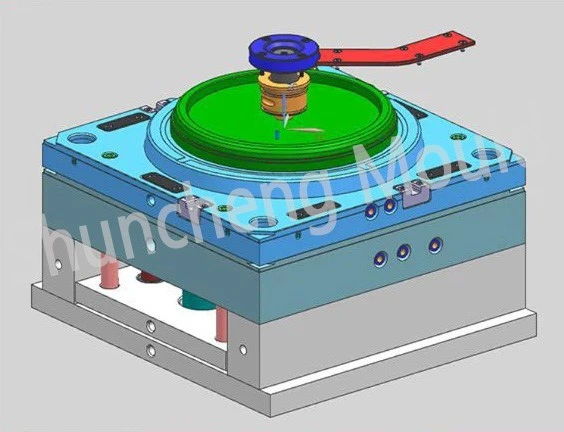
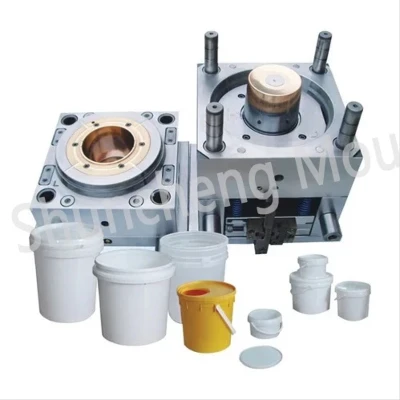
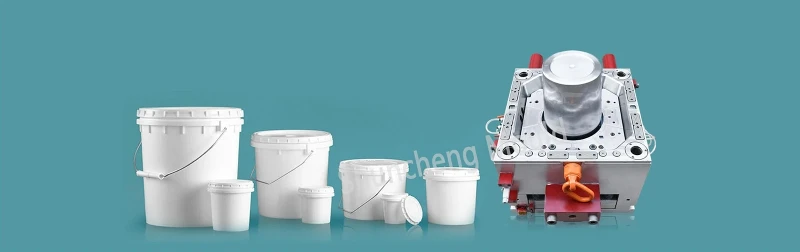
2.1 Injection mold key: The injection mold is the core of manufacturing and determines the shell molding quality and production efficiency.
2.2 Materials
P20 steel: good processing performance, moderate hardness, suitable for small and medium-sized molds.
718H steel: high strength and hardness, used for large molds or molds with high strength requirements.
2.3 Process
CNC machining: precise machining of mold parts, multi-axis linkage can improve efficiency and control errors.
EDM: used for complex shapes that are difficult to CNC machine, and etching materials to form.
Wire cutting: machining electrodes, inserts, etc., with high precision and high speed.
Precision control: the dimensional accuracy of cavities, cores, etc. must reach the micron level, and three-coordinate measuring instruments are used to monitor and correct deviations.
3. Injection molding production
3.1 Basic process: raw material heating-injection into mold-pressure holding-cooling-demolding
3.2 Parameter control
Injection molding pressure: matching molds, materials, etc., too large is easy to produce flash, too small is easy to fill insufficiently.
Injection molding temperature: ensure that it is within the appropriate temperature range of plastics, too high decomposition, too low affects melting.
Injection molding time: including filling, pressure holding, cooling time, determined according to various factors to avoid defects.
3.3 Common Problems and Solutions
Shrinkage: Formed due to cooling shrinkage, the holding time and pressure can be increased to optimize the cooling system.
Flow marks: Due to uneven melt flow, the pressure and speed can be adjusted and the exhaust system can be checked.
Flash: Formed due to melt overflow, the injection pressure can be reduced and the mold clamping accuracy can be checked.
5) Summary
In short, the power shell plays a key role in power products. Knowing what it is can clarify its various forms and material composition; understanding why it is concerned, and knowing the importance of protection, heat dissipation, electromagnetic compatibility, etc.; knowing how to make it, and knowing the key points of each link of manufacturing and mold manufacturing. Mastering these will help promote the good development and application of power products.