

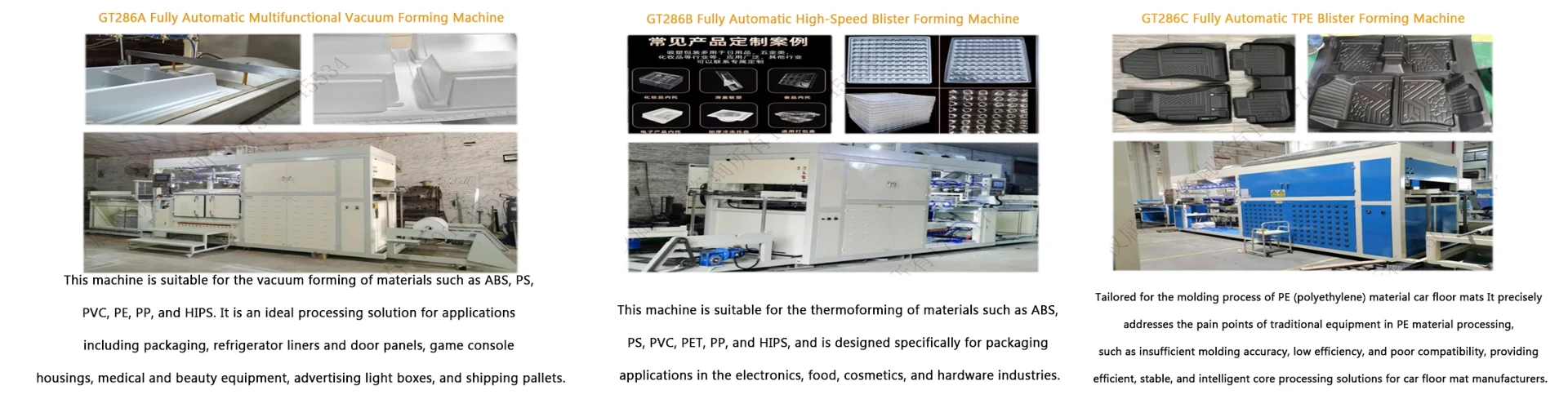
Causes and Solutions for Injection Molded Part Deformation
Deformation during the injection molding process is a common defect in plastic product production. Its causes are complex and diverse, primarily categorized into four key factors: material properties, process parameters, mold design, and post-processing.
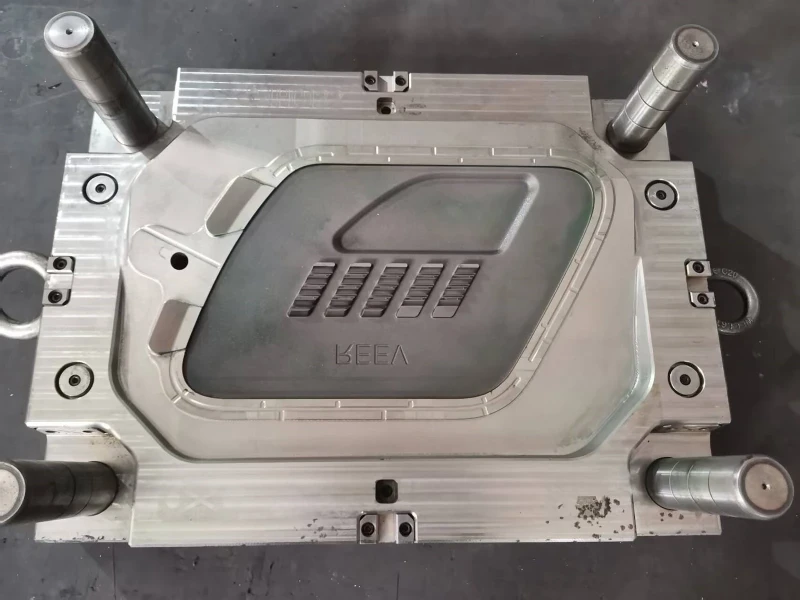
From a materials science perspective, crystalline plastics experience anisotropic shrinkage during cooling due to differential shrinkage between the crystalline and amorphous regions. Amorphous materials are susceptible to internal stresses due to molecular chain orientation.
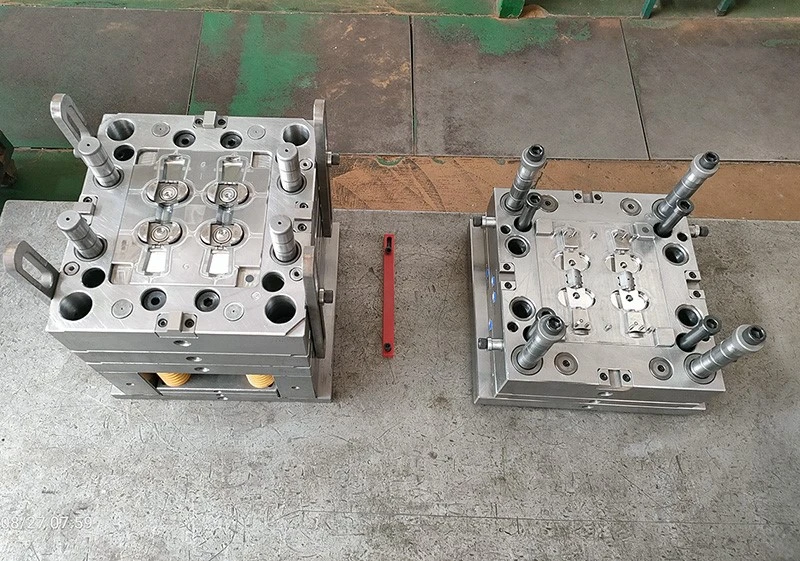
In terms of process control, excessively high melt temperatures can lead to material degradation and reduced rigidity, while insufficient holding pressure can lead to insufficient shrinkage and shrinkage marks. In injection mold construction, uneven cooling channel layout can cause localized temperature differences, while an unbalanced ejection system can cause deformation during forced ejection.
Furthermore, improper stacking of parts during storage and prolonged stress can also lead to creep deformation.
A systematic solution is required to address these issues. In terms of material selection, dimensional stability can be improved by adding glass fiber reinforcement or mineral fillers. Low-shrinkage grades are recommended for thick-walled parts.
Process optimization should focus on controlling mold temperature and holding pressure curves, and using multi-stage injection technology to balance flow stress. Injection mold design requires the use of software for mold flow analysis, ensuring a symmetrical distribution of the cooling system, and adding conformal cooling channels.