

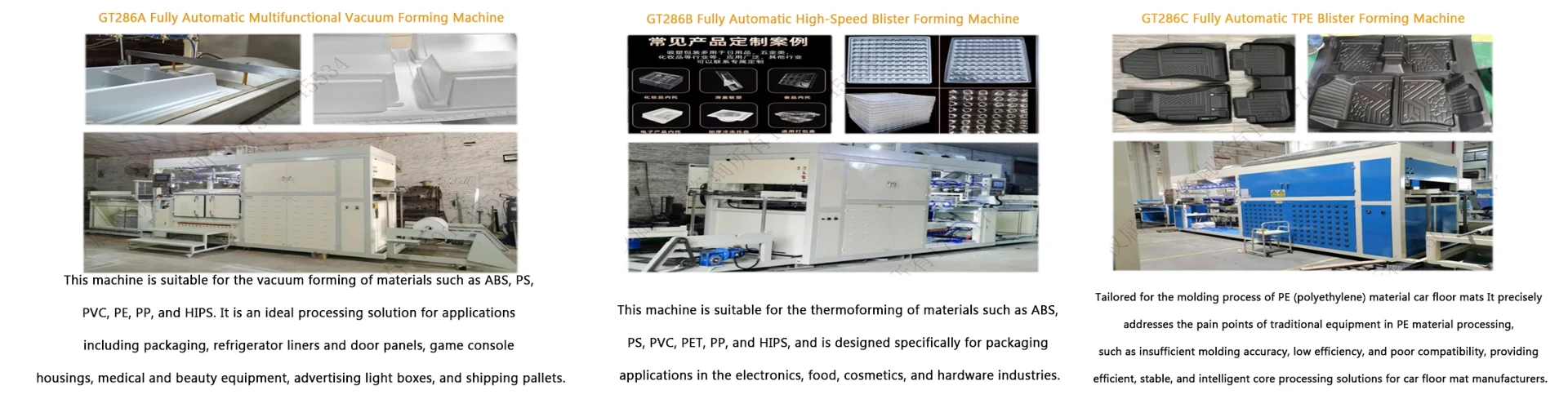
Five Key Elements of Injection Molding
As a key industrial technology in modern manufacturing, the successful implementation of injection molding relies on the precise coordination of five key elements.
First, temperature control is the lifeline of the injection molding process. Barrel temperature, mold temperature, and melt temperature form the "golden triangle" of temperature control. Imbalances in any one of these elements can lead to defects such as flow marks, silver streaks, and dimensional deviations in the product. Precise temperature control is like taking the pulse of the plastic material, requiring engineers to possess keen process intuition and extensive practical experience.
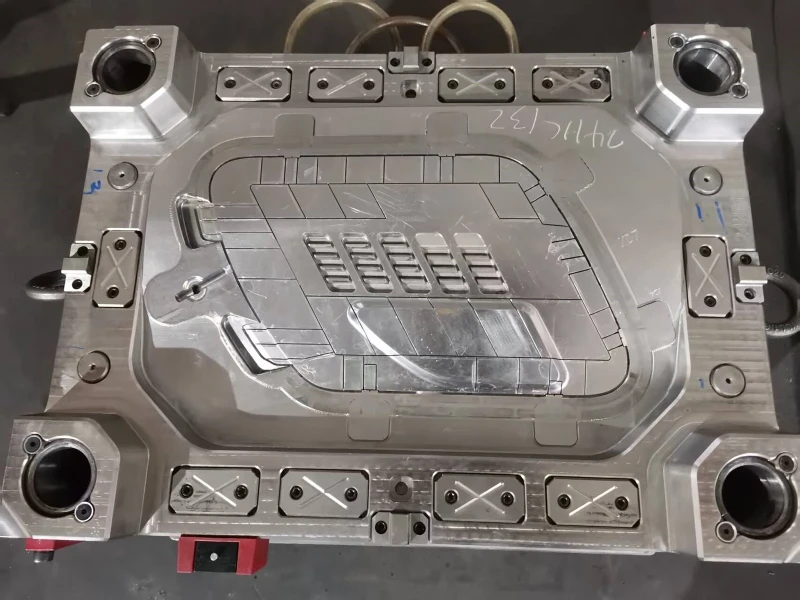
Second, pressure parameters are the "invisible hand" that ensures the plastic fills the mold perfectly. Injection pressure, holding pressure, and back pressure form a three-level pressure system, interconnected like a relay race. Excessive pressure can lead to flash and stress concentration, while too low pressure can cause short shots and shrinkage marks.
Third, timing control is the "metronome" of the injection molding process. Injection time, holding time, and cooling time form a precise time sequence, and each time point directly affects the product's crystallinity and internal stress distribution.
The fourth factor is material selection, which is the "genetic code" that determines product performance. Different plastic materials have vastly different rheological properties, thermal stability, and mechanical properties.
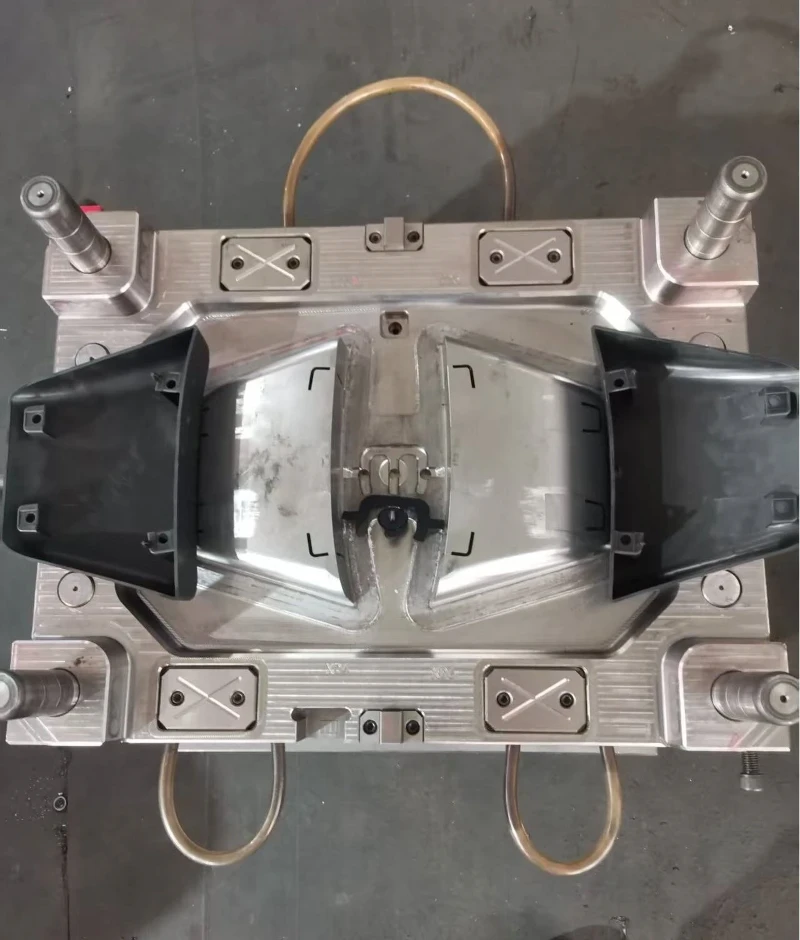
Finally, mold design is the "blueprint" for the injection molding process. Gate design, cooling systems, and demolding mechanisms all require meticulous planning. Mold design ensures that the plastic melt flows smoothly, like a carefully designed track.