


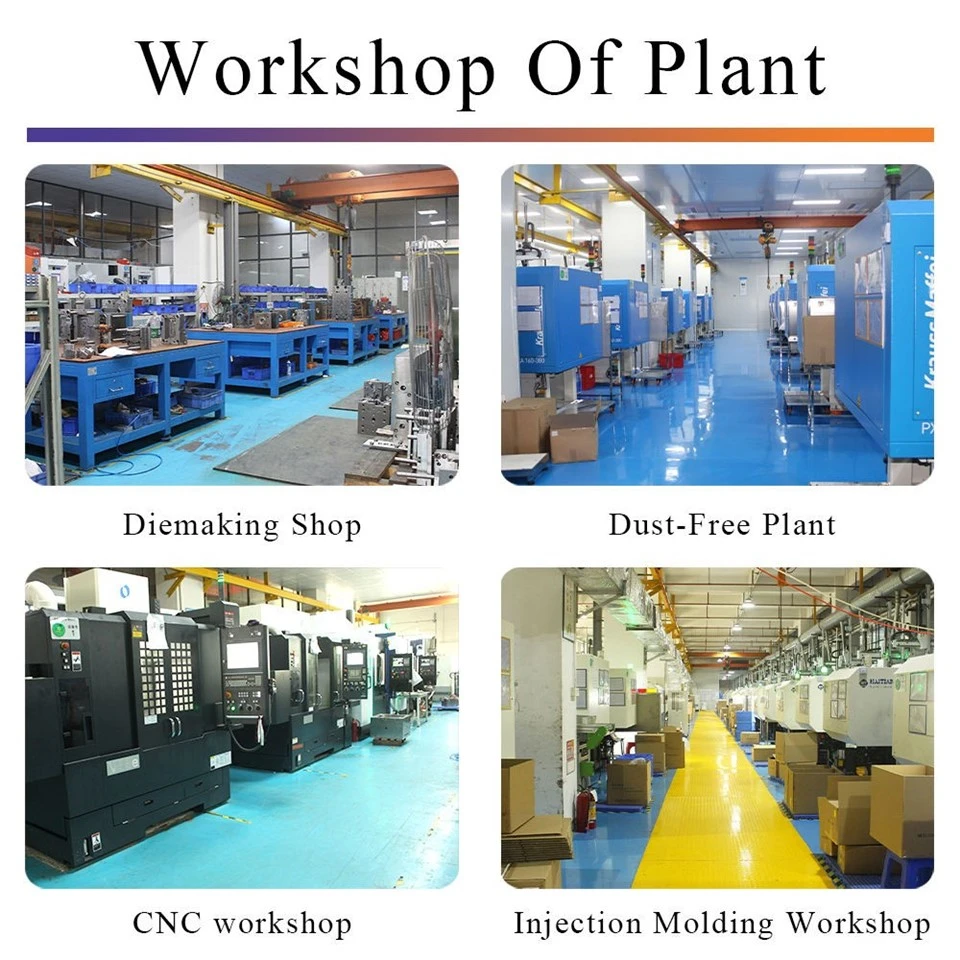
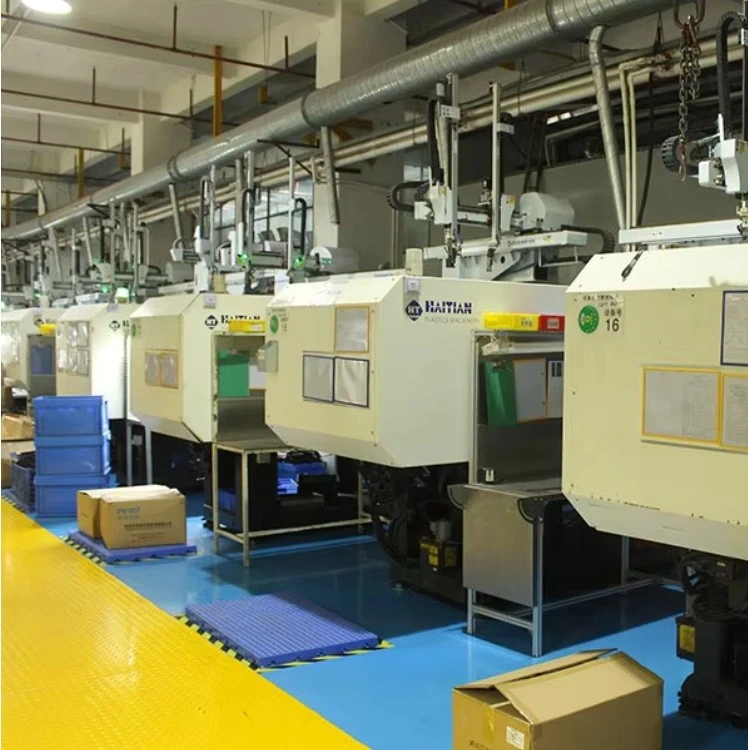
Plastic Enclosure Molds: Why Do Major Manufacturers Choose Us?
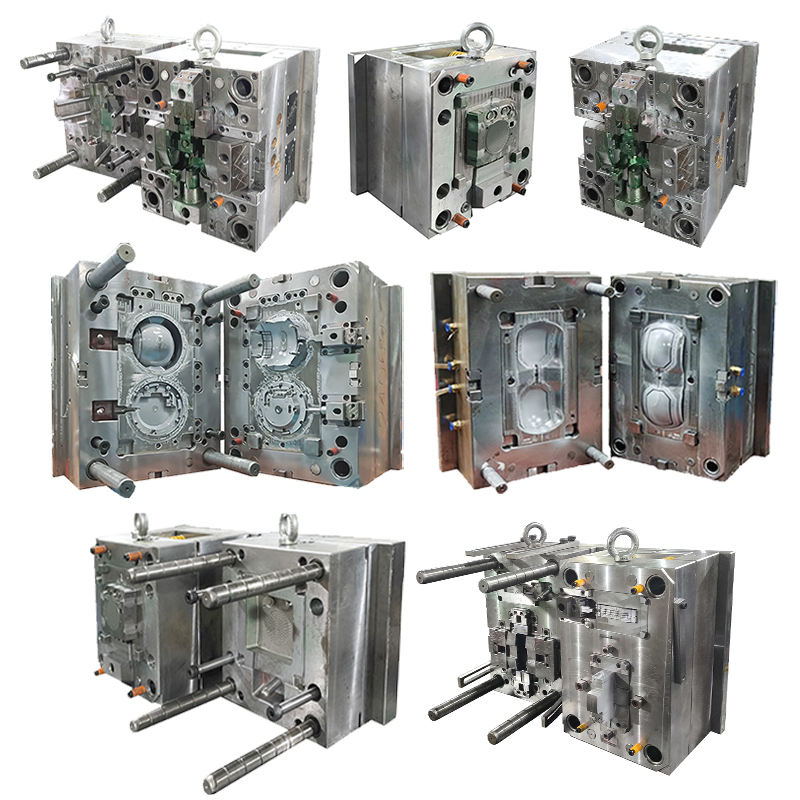
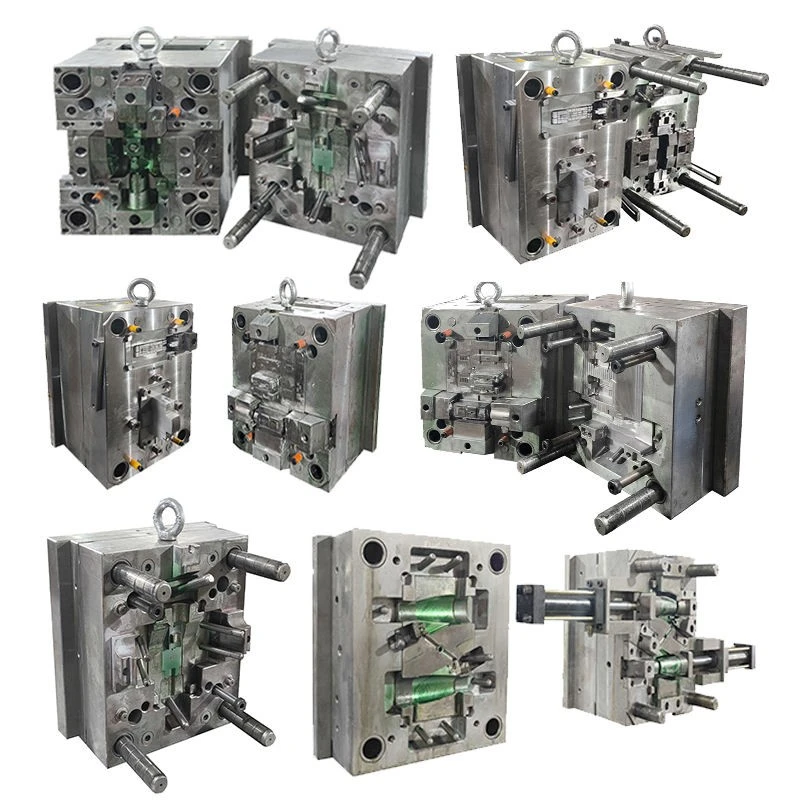
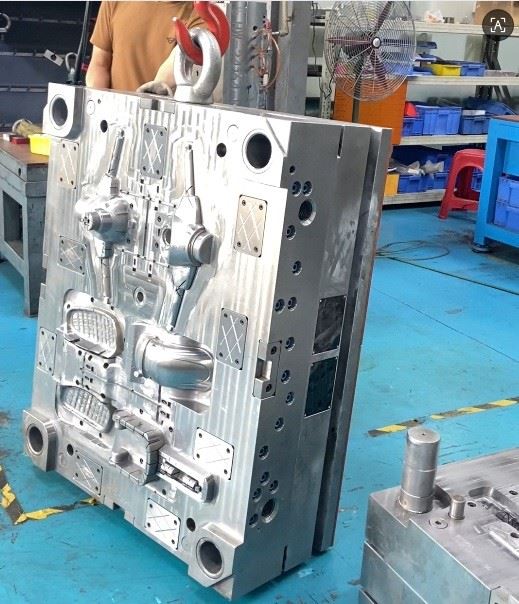
Across numerous industrial sectors-including electronics and appliances, automotive components, smart home devices, and consumer goods-plastic enclosures serve as a core component of the final product. Consequently, plastic enclosure molds represent the critical tooling required to achieve the large-scale, high-precision, and standardized production of these enclosures; they are aptly described as the "industrial master molds" of plastic manufacturing. Compared to single-piece manual fabrication, mold-based molding offers distinct advantages: high production efficiency, superior dimensional consistency, minimal surface defects, and lower unit costs in mass production. A high-quality plastic enclosure mold can facilitate hundreds of thousands-or even millions-of stable injection molding cycles, directly determining the product's aesthetic quality, assembly precision, service life, and overall production costs.
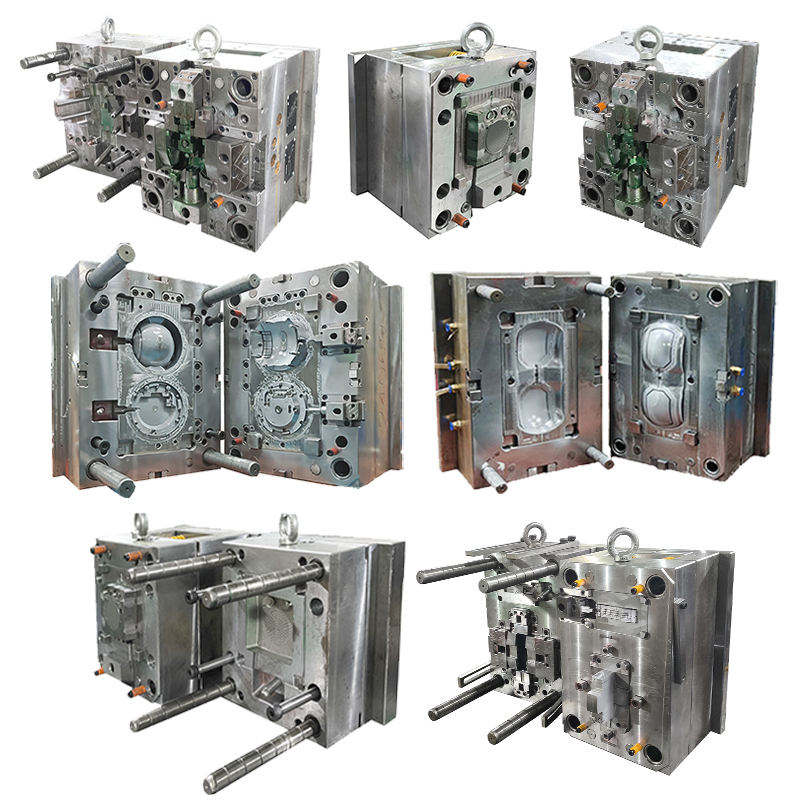
I. Basic Definitions and Core Classifications of Plastic Enclosure Molds
Plastic enclosure molds constitute a specialized sub-category of injection molds. The process primarily involves using an injection molding machine to inject heated, molten plastic raw material-under high pressure-into the mold cavity. After cooling, solidification, mold opening, and ejection, the result is a plastic enclosure product that precisely meets the specified design criteria. These molds are primarily engineered to accommodate common engineering plastics and modified plastic materials, such as ABS, PC, PP, PA66, and PVC.
Based on their structural design and ejection mechanisms, plastic enclosure molds are broadly categorized into three main types, each tailored to meet the distinct aesthetic and structural requirements of various enclosure products:
1. **Large-Gate Molds:** In this design, the runner and gate are positioned directly along the parting line; consequently, they are ejected simultaneously with the finished product when the mold opens. Characterized by simple designs and low processing costs, these molds are ideal for standard plastic enclosures with uncomplicated structures and moderate aesthetic requirements, making them the mainstream choice for small-to-medium batch production.
2. **Pin-Gate Molds:** In contrast, the runner and gate are separated in this design, featuring a gate that is small and discreetly positioned. Since no secondary trimming is required after ejection, these molds are best suited for high-end enclosures demanding a refined aesthetic and the absence of visible gate marks-such as those found in mobile phones or laptop computers.
3. **Hot Runner Molds:** This system eliminates the need to eject runner waste, resulting in high raw material utilization and shorter molding cycles. These molds are optimized for the continuous mass production of plastic enclosures-particularly those requiring high precision, thin-wall structures, or large production volumes-offering superior overall cost-effectiveness.
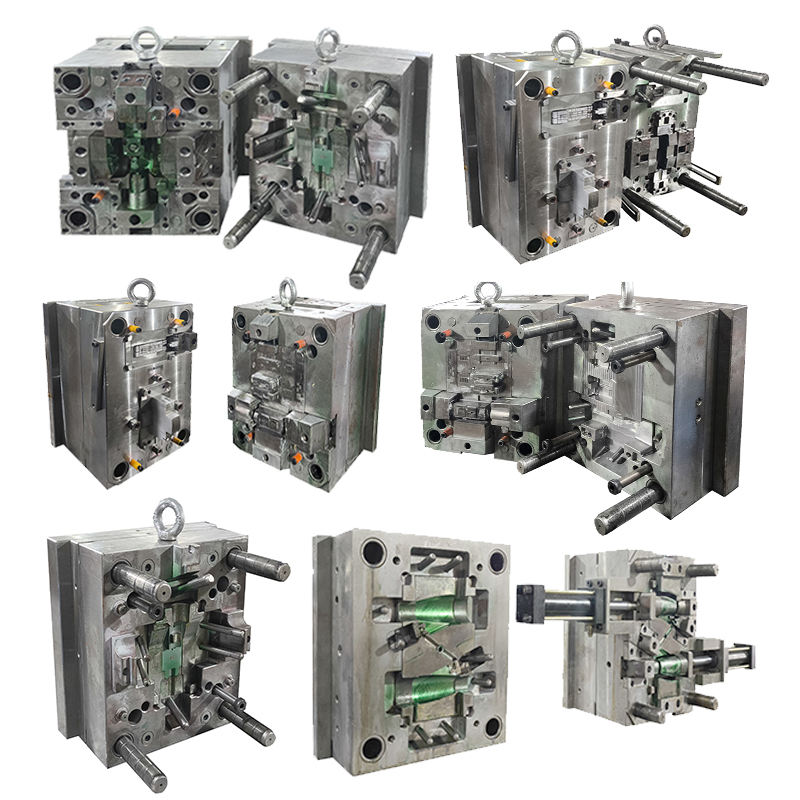
II. Material Selection Criteria and Performance Requirements for Plastic Housing Molds
The selection of mold steel directly impacts the mold's hardness, wear resistance, polishability, and service life. Selection must be a comprehensive process, taking into account three key factors: the characteristics of the plastic raw material, the precision requirements for the housing, and the production batch size. Fundamentally, this process adheres to the principles of "suitability, durability, and cost-effectiveness."
For small to medium-batch production involving standard ABS or PP housing materials, pre-hardened steels such as P20 or 2738 are typically selected. These steels offer a hardness range of HRC 30–35, excellent polishability, and low processing costs, making them suitable for molding runs of up to 100,000 cycles. For large-scale mass production-particularly with wear-resistant plastic materials reinforced with glass fibers-hot-work steels like H13 or stainless steels like S136 are preferred. Following quenching and nitriding treatments, the surface hardness of these steels can exceed HV 800, resulting in a tenfold increase in wear resistance. Furthermore, they can be mirror-polished to a finish of up to #15000 grit, making them ideal for high-gloss, high-precision housing molds. In scenarios requiring exceptional corrosion resistance or high-temperature molding, corrosion-resistant stainless steels are prioritized to prevent the raw materials from corroding the mold cavity, thereby extending the mold's overall service life.
Beyond the core mold steel, mold components-such as guide pillars, guide bushings, ejector pins, and springs-must also be selected for their high precision and wear resistance. This ensures precise alignment during mold opening and closing, guarantees smooth and unhindered repetitive movements, prevents dimensional deviations in the finished products caused by component wear, and ultimately enhances the overall stability of the mold.
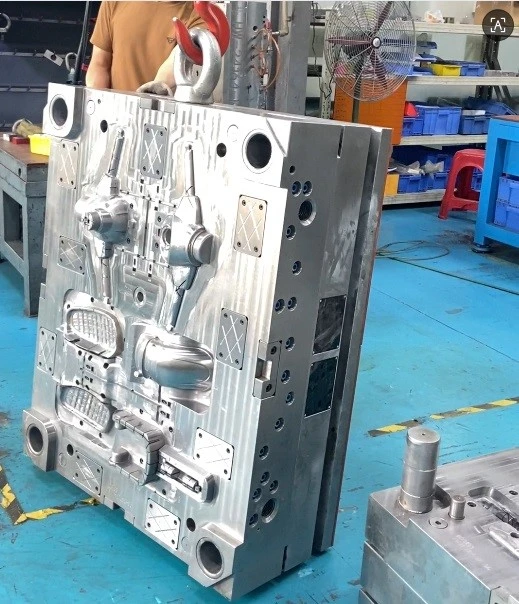
III. Molding Process Control and Post-Production Maintenance for Plastic Housing Molds
Once the mold processing and assembly stages are complete, the mold must undergo three subsequent phases-mold trials, process parameter tuning, and mass production optimization-before stable production can be achieved.
During the mold trial phase, the primary focus is on adjusting parameters such as injection temperature, pressure, speed, holding pressure duration, and cooling time. These parameters are fine-tuned to match the specific molding conditions required by different plastic raw materials; for instance, the molding temperature for ABS is typically controlled within the range of 200–240°C, whereas PC materials require a higher temperature range of 260–300°C. Simultaneously, strict control is maintained over the plastic shrinkage rate-typically 0.5–0.8% for ABS and 1.5–2.5% for PP-to prevent the dimensions of the finished products from exceeding specified tolerances. Post-production maintenance is critical to extending a mold's service life. During daily operations, it is essential to regularly clean residual debris and oil stains from the mold cavities. Weekly inspections should be conducted to assess wear on ejector pins, sliders, guide pillars, and guide bushings, followed by the timely application of lubricant. On a monthly basis, the mold's overall precision should be verified, and any minor wear or surface scratches should be repaired. For periods of long-term inactivity, proper rust prevention measures-specifically applying anti-rust oil and storing the mold in a sealed environment-are mandatory. Adherence to standardized maintenance protocols can extend a mold's service life by over 30%, minimize downtime caused by malfunctions during mass production, and effectively reduce manufacturing costs.
Plastic housing molds represent a sophisticated technological product that integrates structural design, material selection, precision machining, and process control; technical mastery at every stage directly impacts the quality of the final product. As industrial goods evolve toward greater lightweighting, precision, and customization, plastic housing molds are similarly advancing toward higher precision, extended longevity, enhanced efficiency, and intelligent capabilities. By mastering core technical principles and optimizing design and machining workflows, manufacturers can not only elevate mold quality but also achieve cost reductions and efficiency gains in the mass production of plastic components, thereby driving the advancement of lean manufacturing practices.
Hot Tags: toy electronics part enclosure mould, China toy electronics part enclosure mould manufacturers, suppliers, factory, children building blocks mould, kids doll mould, children s toy molds, infant tent mould, kids plate molds, baby trampoline mould