

Hey there! I'm part of an airship product supplier, and today I'm gonna walk you through the landing procedures for an airship product. It's a pretty fascinating process, and I'm stoked to share it with you.
First off, let's talk a bit about what an Airship Product is. These are some seriously cool toys that kids (and let's be honest, some big kids too) absolutely love. They come in all sorts of shapes and sizes, like the Galaxy Fighter, which looks like it's straight out of a sci - fi movie, and the classic Rocking Car with an airship twist.
Pre - Landing Checks
Before an airship product can land safely, there are a bunch of pre - landing checks that need to be done. Just like a real pilot preps their plane, we've gotta make sure everything on the airship is in tip - top shape.
The first thing we check is the power source. Most of our airship products run on batteries, so we've got to ensure the battery is fully charged or has enough juice to make it through the landing. A dead battery mid - landing can spell disaster, and we definitely don't want that.
Next up is the stability of the airship. We look at the fins and the body to make sure there are no signs of damage. A bent fin or a crack in the body can throw off the balance of the airship during landing, causing it to crash or land unevenly.
We also check the control system. This is what allows the user to guide the airship. We make sure all the buttons and sensors are working properly. If the controls aren't responsive, it'll be impossible to land the airship safely.
Communication and Coordination
Once the pre - landing checks are done, communication is key. If you're flying an airship in an area with other toys or people, you need to let them know you're about to land. It's like saying "heads up" to avoid any collisions.
In a home setting, if there are other kids playing around, it's a good idea to shout out that you're landing the airship. This gives them time to clear the area and stay out of the way.
The Descent
The descent is the part where the airship starts to come down from the sky. This needs to be done slowly and steadily. You don't want to just drop the airship like a rock.
We usually start by reducing the power. This makes the airship gradually lose altitude. As it gets closer to the ground, we keep a close eye on its speed and angle. If the airship is coming down too fast, we might increase the power a bit to slow it down.
It's also important to keep the airship level during the descent. A tilted airship can land on one side, which could damage it. We use the control system to adjust the pitch and roll of the airship, making sure it stays nice and flat.
Final Approach
As the airship gets really close to the ground, we enter the final approach phase. This is where things get a bit more critical.
We start to look for a clear landing spot. It should be a flat, smooth surface without any obstacles. A carpeted floor in a living room or a grassy area outside are great options.
At this point, we reduce the power even more. The airship should be barely hovering just above the ground. We want it to make a gentle touchdown, not a hard thud.
Touchdown
The touchdown is the moment when the airship finally touches the ground. This is the last step in the landing process, and we've got to get it right.
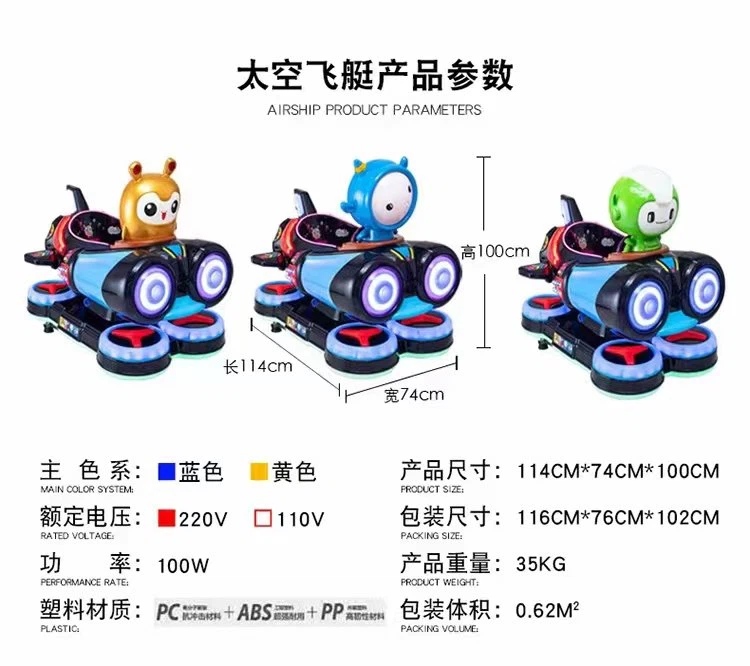

As soon as the airship makes contact with the ground, we cut the power completely. This stops any remaining upward thrust and ensures the airship stays put.
After the touchdown, we wait a few seconds to make sure the airship is stable. Sometimes, it might bounce a little bit, but if it settles down, we know the landing was successful.
Post - Landing Checks
Once the airship has landed, we do a quick post - landing check. We look for any signs of damage that might have occurred during the landing. If there are any issues, we can fix them right away.
We also remove the battery if it's removable. This helps to preserve the battery life and also reduces the risk of any electrical problems.
Why These Procedures Matter
You might be wondering why all these procedures are so important. Well, first of all, safety is our top priority. By following these steps, we can minimize the risk of the airship crashing and causing damage to itself or to the surrounding area.
It also ensures the longevity of the airship. A well - landed airship is less likely to get damaged, which means it'll last longer and provide more fun for the user.
Our Quality Promise
At our company, we're super committed to making sure our airship products are of the highest quality. We test these landing procedures over and over again to make sure they work every time.
We also offer great customer support. If you have any questions about the landing procedures or if you run into any problems with your airship product, we're here to help.
Get in Touch
If you're interested in our Airship Product, Galaxy Fighter, or Rocking Car, we'd love to hear from you. Whether you're a retailer looking to stock our products or an individual wanting to buy one for a kid (or yourself), we're ready to have a chat. Just reach out, and we can start talking about your needs and how our airship products can fit into your life.
References
- General knowledge of toy design and safety standards
- Internal testing reports of our airship products