

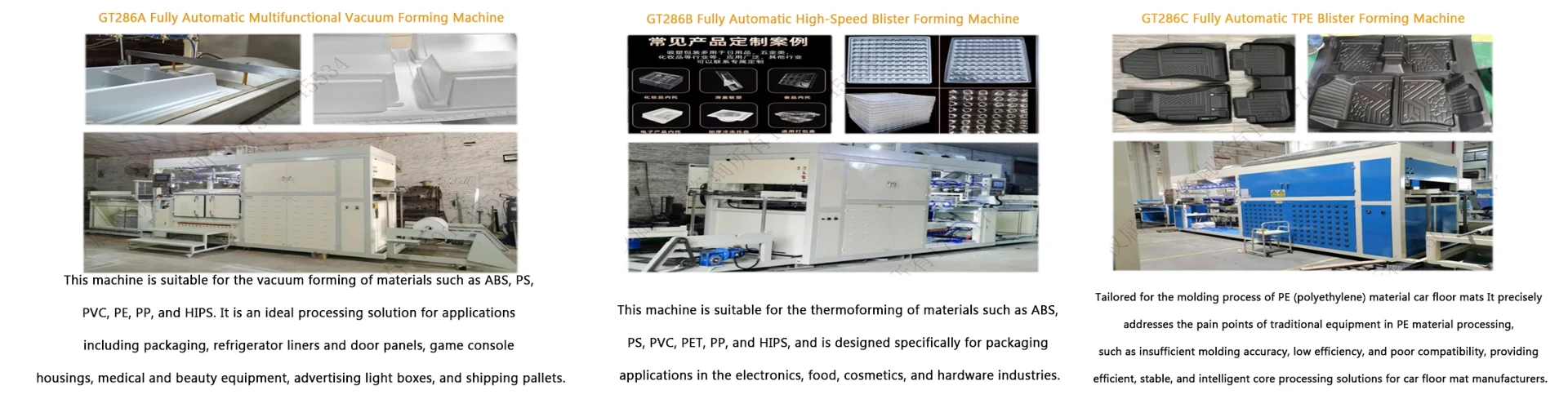
Injection Molding of Mechanical Equipment Parts
Injection molding of mechanical equipment parts is a manufacturing process that combines precision engineering and materials science. Molten engineering plastic is injected under high pressure into a precisely machined mold cavity. Under strictly controlled temperature, pressure, and time parameters, the plastic cools and solidifies, forming functional parts with precise dimensions.
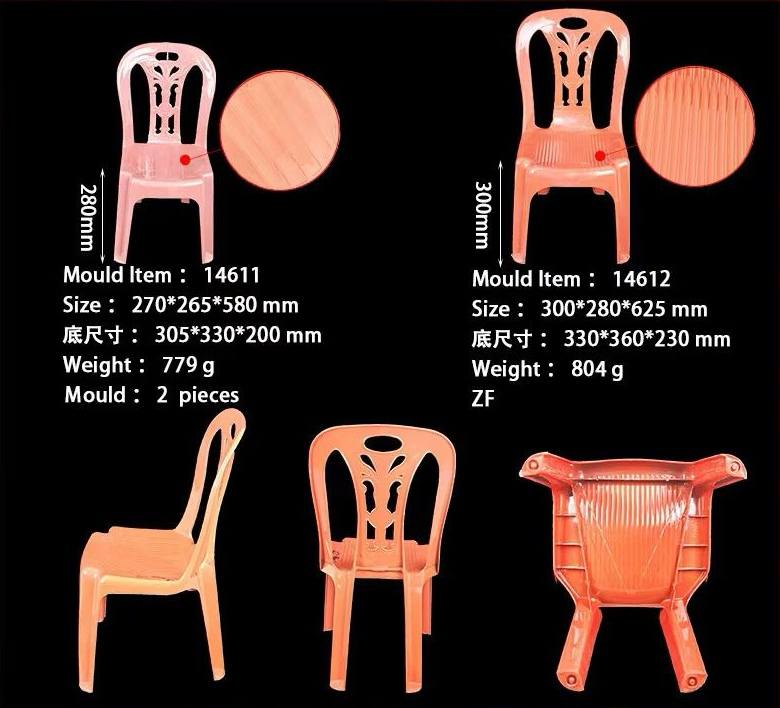
This process utilizes computer-aided engineering (CAE) for mold flow analysis, acting like a navigation system for the molten plastic, ensuring the material flows within the mold with the precision and order of a symphony.
Modern injection molding has achieved fully automated production, continuously performing processes such as part removal, trimming, and inspection. During processing, precise control of injection accuracy ensures that each part fits together perfectly, like clockwork. The plasticization process in the screw pre-plasticizing section is controlled by a precise temperature control system to optimize flowability and mechanical properties.
The injection mold, as the core of the process, is made of hardened steel or hard alloy, and its cavity surface is mirror-polished, achieving a smoothness comparable to optical instruments. Advanced conformal cooling channel design ensures that the mold temperature distribution is like a intelligently temperature-controlled greenhouse, guaranteeing product dimensional stability.
These innovations in injection molding technology have made modern injection molding an important forming process in the field of mechanical equipment manufacturing, weaving the precise exoskeleton of mechanical equipment from molten plastic threads.