


How to control product quality in precision medical device injection molding?
1) Introduction
In the medical field, the quality of precision medical device injection molding products is related to patient health and medical effectiveness. However, its production process faces many challenges. From raw material selection to mold manufacturing, from process parameter regulation to environmental control, and then to quality inspection feedback, each link needs to be carefully controlled. The following is an in-depth analysis of how to effectively ensure its product quality.
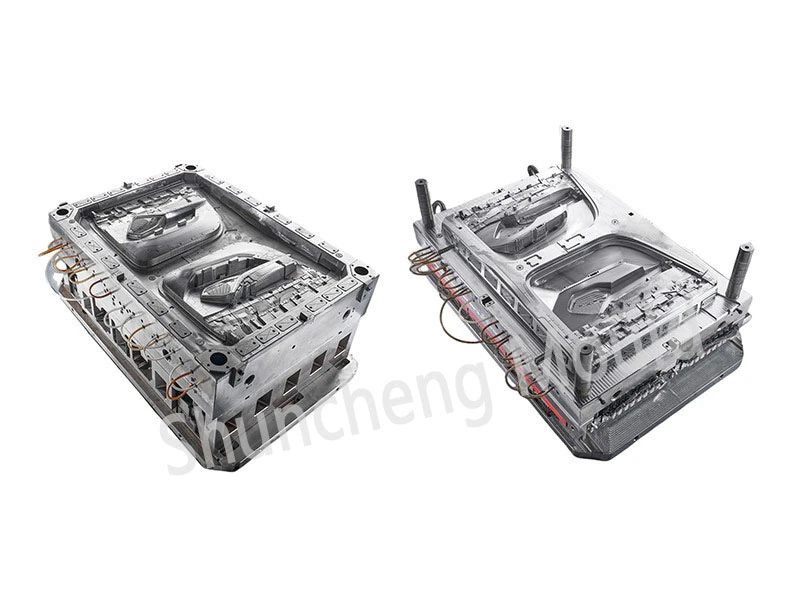
2) How to control product quality in precision medical device injection molding
1. Raw material quality control
1.1 Basis for material selection
The selection of materials for precision medical device injection molding requires a comprehensive consideration of multiple factors to ensure that the materials are suitable for their functions and use environment.
Biocompatibility: The material must have no adverse reactions in contact with the human body. For example, implantable devices require highly biocompatible materials to ensure long-term implantation safety.
Chemical stability: It must be able to resist various chemical substances in the medical environment to prevent chemical reactions from causing performance degradation and affecting the quality of the device.
Physical properties:
Strength: Select appropriate strength materials according to the stress of the device. For example, surgical instruments need to resist fracture, and implantable devices must withstand human stress.
Elastic modulus: For materials like vascular stents, the elastic modulus must match the human blood vessels to ensure support and compliance.
Thermal stability: Consider temperature changes during injection molding and use, such as the requirement that the material does not deform during high-temperature disinfection.
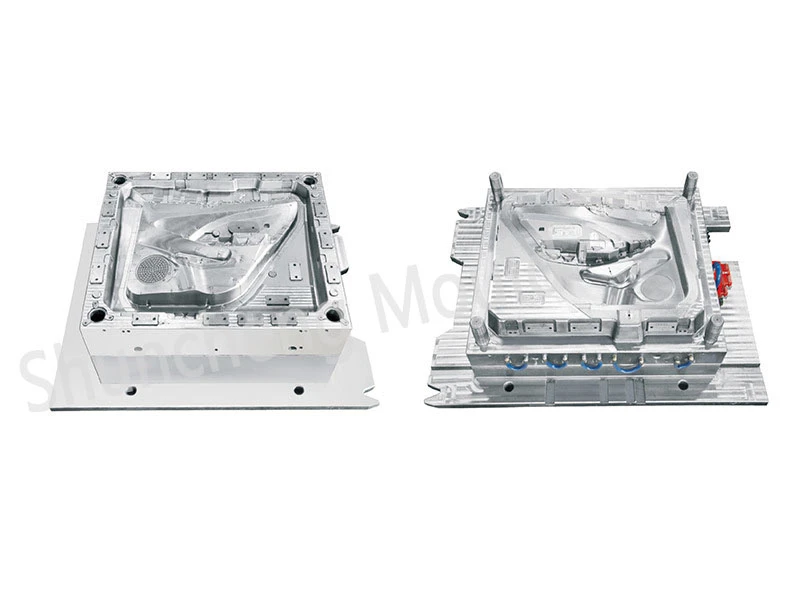
1.2 Supplier screening and management
Evaluate key indicators of suppliers
Production qualifications: Have legal production licenses and quality certifications.
Quality control system: Have a complete process to ensure product quality.
Industry reputation: Refer to peer reviews to select suppliers with good reputation.
Establish long-term cooperative relationships
Stability: Ensure the stability of raw material supply quantity and delivery time.
Quality consistency: Let suppliers have a deep understanding of the requirements to ensure stable quality.
1.3 Raw material inspection process
Raw materials must be fully and strictly inspected when entering the factory.
Appearance inspection: Observe color, transparency, presence of impurities, etc., and make a preliminary judgment on quality.
Physical performance test:
Density: Measure and judge the composition and whether there is any doping.
Hardness: Understand wear resistance and compression resistance.
Chemical performance analysis
Composition analysis: Confirm that the chemical composition meets the standards.
Purity testing: ensure material purity and guarantee device performance and safety.
Tests related to injection molding process
Flowability: affects injection molding, select appropriate flowability materials according to the product.
Shrinkage rate: Improper control will cause product size deviation, and select materials with appropriate shrinkage rate.
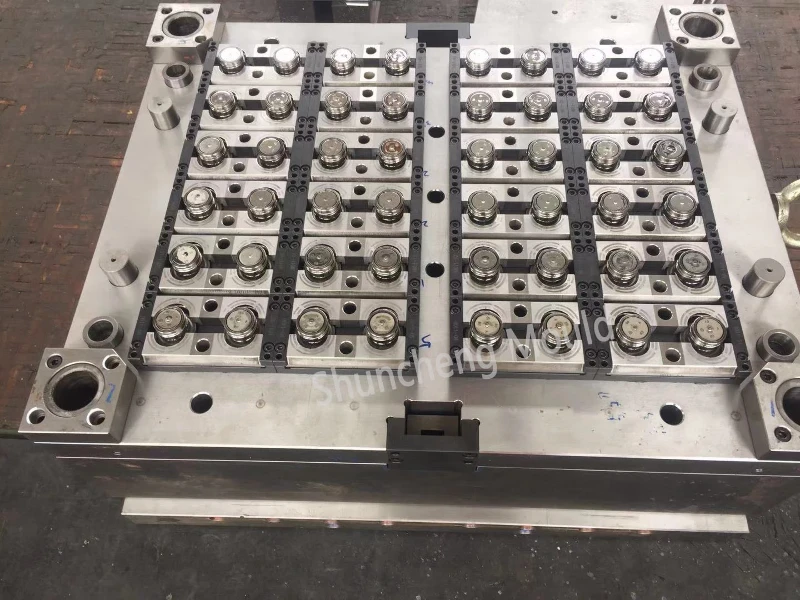
2. Quality assurance of mold design and manufacturing
2.1 High-precision mold requirements
Precision medical device injection molding has strict requirements on mold accuracy, which is related to the quality of injection molded products.
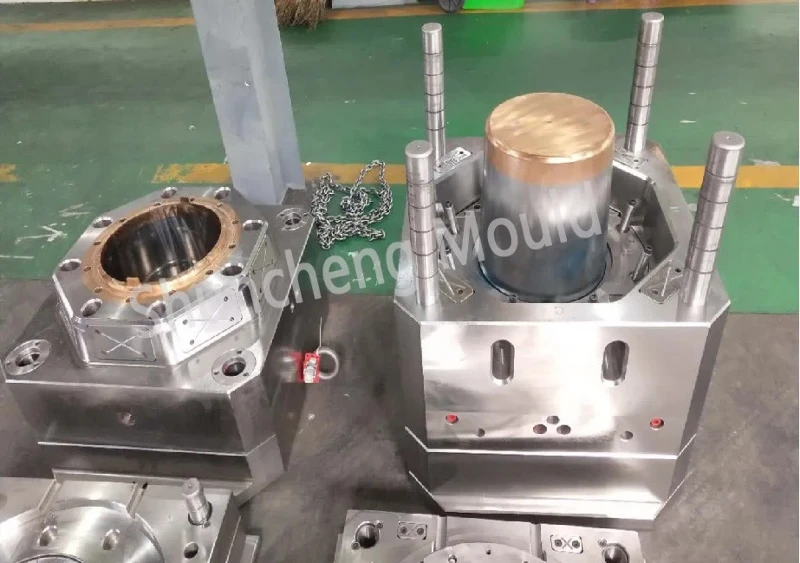
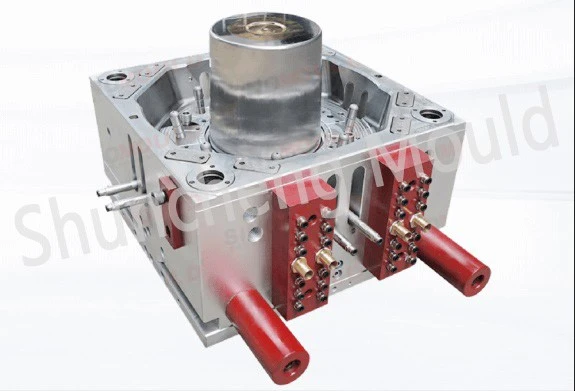
Cavity size accuracy: It needs to reach micron or even nanometer level. Minor deviations will affect product size and medical device performance, such as micro-component molds.
Surface finish: The surface of precision medical molds should be smooth, which is conducive to uniform flow of melt, avoid surface defects of products, and improve appearance quality, such as wearable device housings.
Demolding mechanism design: Carefully design the demolding mechanism to ensure that complex and high-precision products can be demolded smoothly and avoid damage, such as thin-walled or finely structured injection molded parts.
2.2 Mold manufacturing process and technology
Use advanced processes and technologies to meet the high-precision requirements of molds.
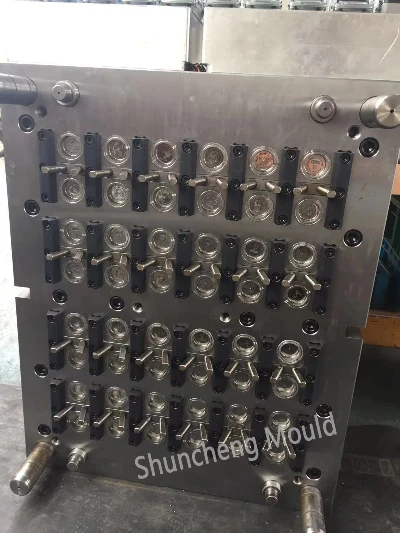
EDM: Metal is removed by pulse discharge between the electrode and the workpiece, and the processing size is precisely controlled. Complex cavities can be shaped to meet the precision requirements of special-shaped molds.
CNC machining: CNC programs are used to control the movement of machine tools, and mold parts are processed with high precision to ensure consistent precision in batch production and product quality.
Precision grinding: Fine grinding of key parts of the mold to improve surface finish, smooth melt flow, and reduce surface defects of the product.
2.3 Mold verification and maintenance
The mold needs to be strictly verified and maintained before and after it is put into production to ensure product quality.
Verification before the mold is put into production
Trial mold: Actual injection molding tests mold performance and product quality. If it does not meet the requirements, it will be adjusted and improved.
Product size measurement: Compare the trial mold product with the design size, analyze the cause of the deviation and take measures.
Appearance inspection: Check the appearance defects of the trial mold product and solve the problem in a targeted manner.
Maintenance during mold use
Cleaning: Clean the mold regularly, remove impurities, ensure heat dissipation, and maintain product quality.
Lubrication: Lubricate the moving parts to reduce wear, extend service life, and ensure smooth demolding.
Replacement of worn parts: timely replacement of worn parts to maintain mold accuracy and normal operation.
3. Precise control of injection molding process parameters
3.1 Key process parameters
In the injection molding of precision medical devices, these key process parameters affect product quality.
Injection pressure: Too much will cause flash and overflow, while too little will cause insufficient filling, which will affect product quality.
Injection speed: Too fast will easily cause air to form bubbles, while too slow will increase melt viscosity and make filling difficult.
Holding time: The length affects product density, dimensional accuracy and internal quality. Too short will cause shrinkage marks and other problems, while too long will increase internal stress.
Cooling time: Insufficient will cause product deformation and dimensional instability. Although too long can fully solidify, it will affect production efficiency and performance.
Mold temperature: The appropriate temperature helps the melt to flow evenly. Too high or too low will affect the quality of product molding.
3.2 Parameter optimization and setting
Process parameters need to be accurately optimized and set to ensure product quality.
Experimental design method (such as DOE): Determine the best combination by systematically changing multiple parameters and observing the impact on product quality.
Simulation analysis software (such as Moldflow): Use software to simulate the injection molding process, predict problems and adjust parameters accordingly to optimize quality.
Combine product characteristics and material properties: Different product structures and material properties require corresponding adjustment of process parameters.
3.3 Real-time monitoring of process parameters
Monitoring equipment and technology: Equipped with temperature, pressure sensors and data acquisition systems to grasp the parameter situation in real time.
Detection of abnormalities and adjustment measures:
If abnormal fluctuations in parameters are found, adjustment measures should be taken immediately to ensure product quality.
4. Strict control of production environment
4.1 Cleanliness requirements
Different grade standards: Precision medical device injection molding needs to meet different clean room standards such as ISO 17442 according to the type of device and production link, and implantable devices have higher requirements.
Importance of clean environment: Clean environment can prevent impurities from mixing into products, ensure product biocompatibility and safety, and minor contamination may also lead to serious consequences.
4.2 Temperature and humidity control
Impact on materials and molds: Temperature and humidity affect the performance of injection molding materials and mold conditions. High temperature can cause material deformation and affect product quality; low humidity is prone to static electricity and impurities. Inappropriate temperature and humidity can cause mold deformation and rust.
Control measures: Use air conditioning to adjust temperature, dehumidification equipment to reduce humidity, and use temperature and humidity sensors to monitor in real time and adjust in time.
4.3 Electrostatic protection
Electrostatic hazards: Electrostatic discharge can damage product electronic components, absorb impurities, and affect function, appearance and biocompatibility.
Protective measures: Install static eliminators to neutralize static electricity, use anti-static materials to make tooling fixtures, and workers wear anti-static clothing to eliminate the impact of static electricity.
5. Quality inspection and feedback mechanism
5.1 Multi-dimensional quality inspection
Appearance inspection: Visually inspect whether there are scratches, bubbles, flow marks and other defects on the surface of injection molded products, which affect the appearance and user experience. Careful inspection is required at all stages of production.
Dimension measurement: Compare the actual and designed dimensions of the product. Slight deviations will cause assembly difficulties or affect performance. Critical dimensions must be strictly measured with precise tools.
Performance testing
Mechanical performance testing: Testing strength, hardness, toughness, etc., to ensure that surgical instruments are safe and reliable when subjected to external forces.
Biocompatibility testing: Evaluate the reaction of products in the human environment to ensure that they are harmless to the human body.
Chemical stability testing: Testing the stability after contact with chemical substances to ensure the safety and effectiveness of medical devices.
5.2 Online detection technology
Optical detection: Using optical principles to monitor the surface and size of products in real time, quickly discover problems such as scratches, bubbles, and dimensional deviations.
Ultrasonic detection: Analyze the internal situation of products by transmitting and receiving ultrasonic signals, detect defects such as cavities and inclusions, and are suitable for complex products.
Advantages of online detection: It can detect quality problems in real time and provide feedback, reduce costs and waste, facilitate the optimization of production processes, and improve efficiency and quality.
5.3 Quality feedback and continuous improvement
Quality feedback mechanism: Feedback the test results to relevant departments in a timely manner, such as feedback of appearance problems to the production department, and feedback of dimensional deviations to the process department, so that each department can solve the problem.
Continuous improvement: Optimize raw materials, molds, process parameters, etc. based on feedback information, such as reselecting materials, repairing molds, and optimizing parameters to steadily improve product quality.
3) Summary
In short, precision medical device injection molding controls product quality from raw materials, molds, process parameters, production environment to quality testing and feedback. Only by strict requirements in all aspects and continuous optimization and improvement can we ensure product quality, meet the high standards of the medical industry, protect the health of patients, and promote the steady development of the industry.