

20 kinds of plastic processing and molding characteristics are fully analyzed:
At present, as product designers, our plastic parts design basically stays on digital model design, and more product process design is done by plastic parts suppliers. But in order to achieve reasonable or even perfect design, we still need to have knowledge of plastic processing.
Injection molding
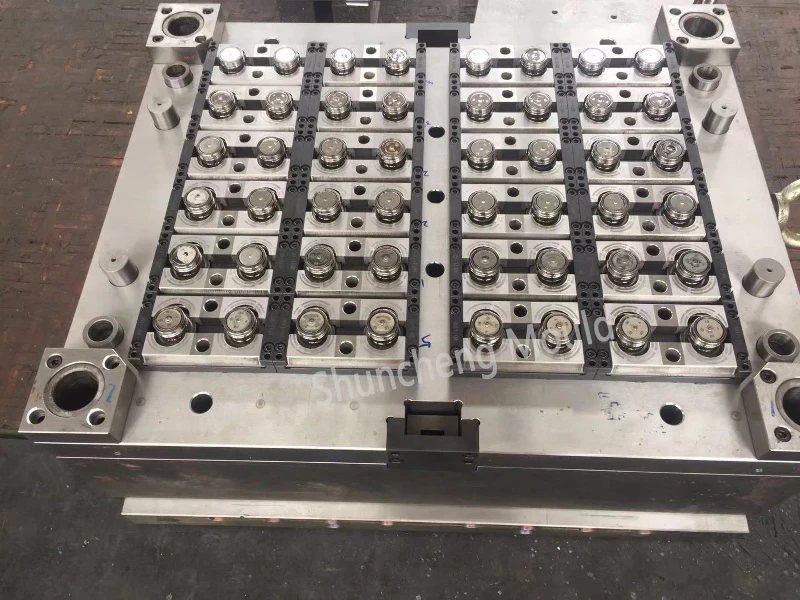
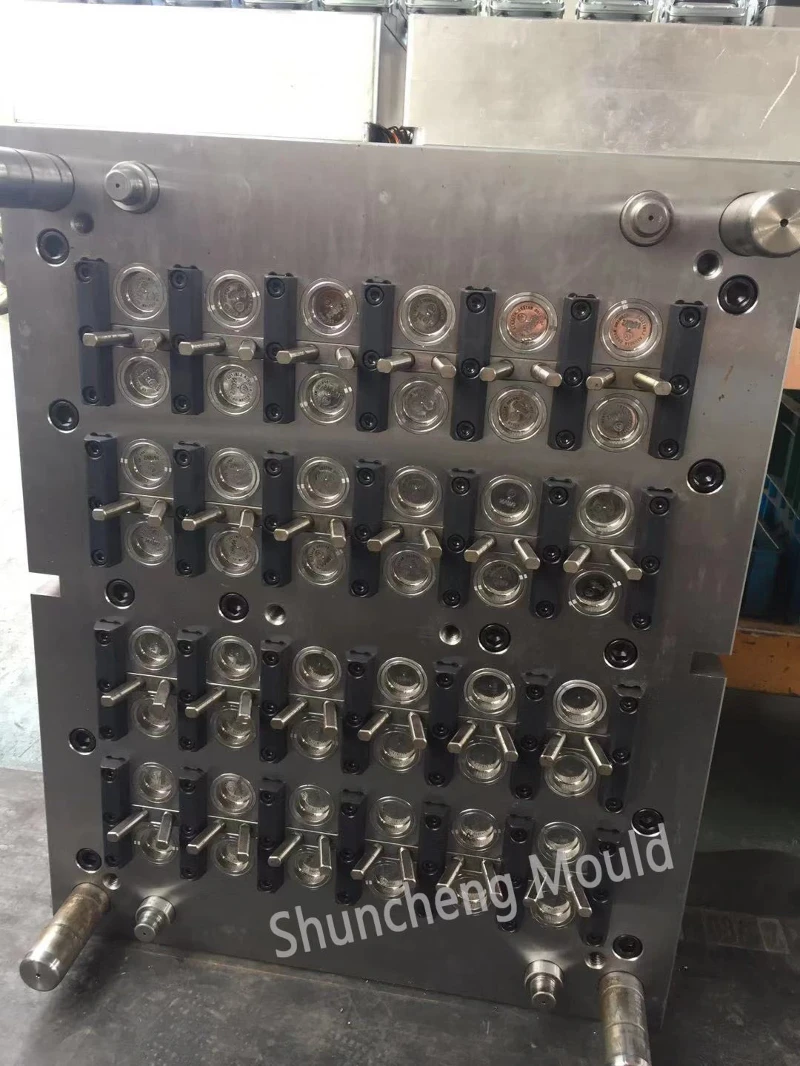
Injection molding is a method of producing industrial products. Products usually use rubber injection molding and plastic injection molding. Injection molding can also be divided into injection molding and die casting.
Injection molding machine (referred to as injection machine or injection molding machine) is the main molding equipment that uses thermoplastic plastics or thermosetting materials to make plastic products of various shapes using plastic molding molds. Injection molding is achieved through injection molding machines and molds.
Extrusion molding
The material is plasticized by heat and pushed forward by the screw through the extruder barrel and screw, and continuously passes through the machine head to make various cross-section products or semi-finished products.
Blow molding
Blow molding, also known as hollow blow molding, is a rapidly developing plastic processing method.
The tubular plastic parison obtained by extrusion or injection molding of thermoplastic resin is placed in a split mold while hot (or heated to a softened state). After the mold is closed, compressed air is immediately introduced into the parison to inflate the plastic parison and cling to the inner wall of the mold. After cooling and demolding, various hollow products are obtained.
Vacuum molding
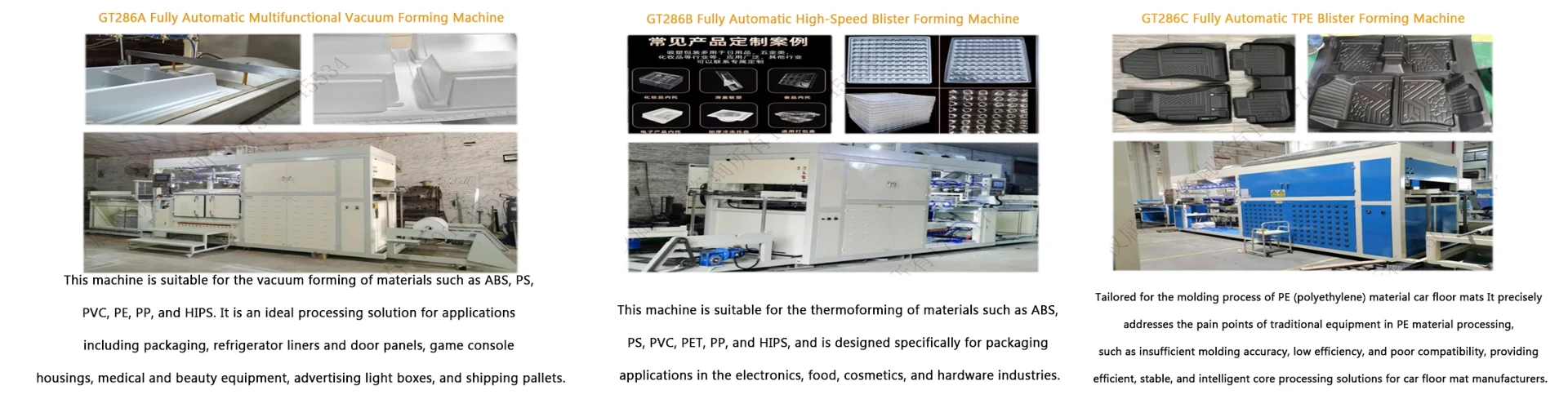
Ventilation is a plastic processing technology. The main principle is to heat and soften the flat plastic hard sheet, then use vacuum adsorption on the mold surface, and then cool it to form it. It is a technical process applied to all walks of life.
Compression molding
Compression molding, also known as compression molding or compression molding, is an operation in which powdered, granular or fibrous plastics are first placed in the mold cavity at the molding temperature, and then the mold is closed and pressurized to form and solidify it. Compression molding can be used for thermosetting plastics, thermoplastic plastics and rubber materials.
Calendering is a process in which the molten plasticized thermoplastic passes through the gap between two or more parallel rollers rotating in opposite directions, so that the melt is squeezed, stretched, and stretched by the rollers to form a continuous sheet product with certain specifications and quality requirements, and then naturally cooled and formed. The calendering process is often used in the production of plastic films or sheets.