

What Does an Injection Molding Plant Do?
An injection molding plant is a crucial specialized production unit in modern manufacturing. Its core business is to transform various polymer raw materials into industrial products with specific functions through precision thermoplastic molding processes.
An injection molding plant is typically equipped with advanced injection molding machines, automated auxiliary equipment, and rigorous quality inspection systems, forming a complete plastic product production system.
Technically, injection molding involves melting and plasticizing thermoplastic pellets under high temperature and pressure, then injecting them into a precision-machined steel mold cavity. After cooling and shaping, the desired product is obtained. This process involves the integrated application of knowledge from multiple disciplines, including materials science, fluid mechanics, and thermal conductivity.
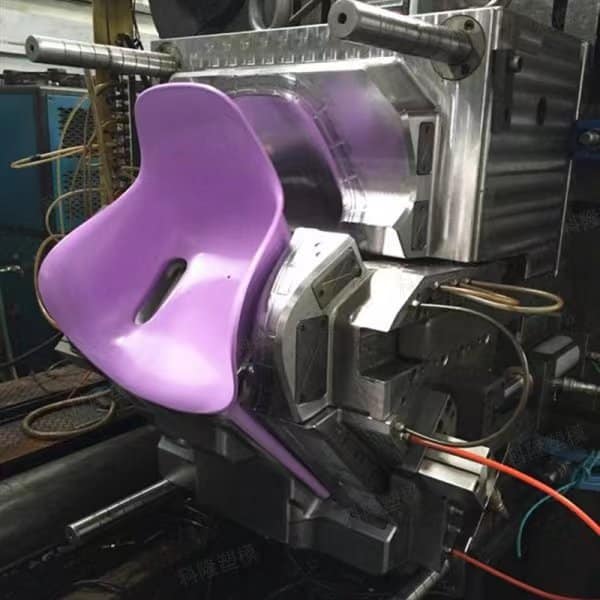
Modern injection molding plants commonly use computer-aided engineering (CAE) technology for mold flow analysis, optimizing injection molding parameters through digital simulation to ensure products with excellent dimensional accuracy and mechanical properties.
In terms of product applications, the output of injection molding plants permeates nearly every aspect of modern life: from precision components for medical devices to structural parts in the automotive industry, from insulating housings for electronic products to packaging containers for daily consumer goods. In particular, with the continuous innovation of engineering plastics formulations, injection molded products can now replace some metal components, reducing weight while maintaining excellent mechanical properties.
Regarding the production process, standardized injection molding factories strictly implement comprehensive control measures, from raw material drying, melt injection, pressure holding and cooling, to post-processing (such as deburring and surface treatment). The implementation of ISO quality management systems ensures full traceability of each production batch, while the widespread use of automated robotics significantly improves production efficiency and product consistency.