

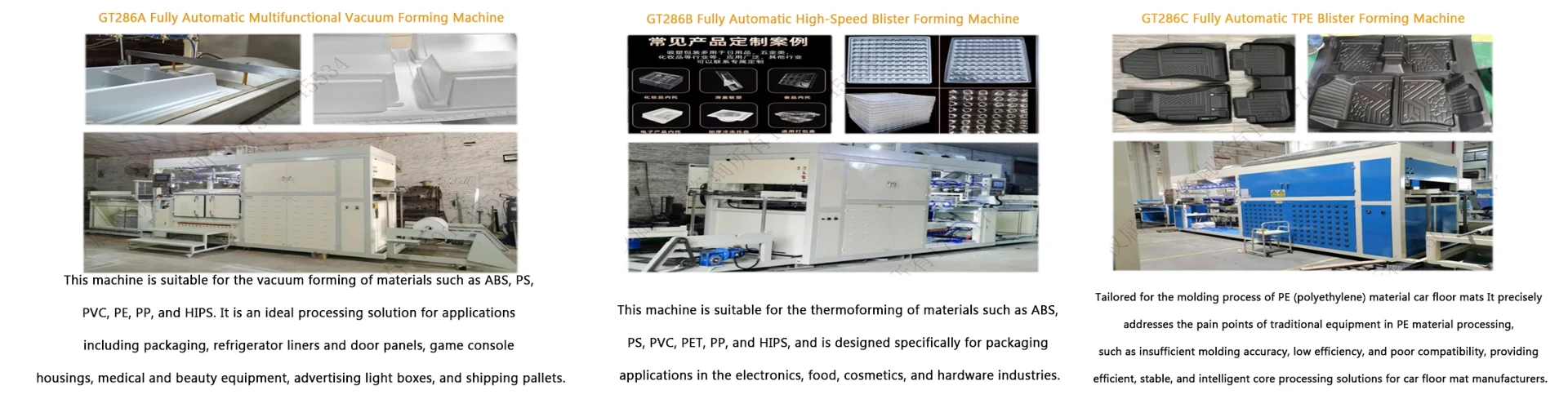
What are the key considerations in injection molding?
In the process of precision injection molding, material selection is like the foundation of a musical piece. It requires matching the material to the product's mechanical properties, temperature resistance requirements, and chemical stability, choosing from engineering plastics such as ABS, PC, and PP. Strict control of raw material dryness is also crucial, as excessive moisture content can lead to defects such as silver streaks and bubbles.
Mold design is comparable to composing a musical score. It requires using fluid dynamics to simulate melt flow, optimizing gate location and cooling systems through mold flow analysis to avoid problems such as short shots and flash that affect product quality.
Temperature control is the core trio of the injection molding process: barrel temperature needs precise, segmented control, similar to the gradual heating process in baking; injection mold temperature determines the product's crystallinity and dimensional stability, and temperature fluctuations exceeding ±2°C can cause deformation; and ambient temperature acts like an invisible tuner, influencing the material's cooling curve.
Pressure parameters require millimeter-level fine-tuning. The optimal ratio of injection pressure to holding pressure directly affects the orientation of molecular chains and the distribution of internal stress.