

How to correct warping in injection molded products?
Warping in injection molded products is often caused by a variety of factors, requiring comprehensive consideration and targeted correction measures.
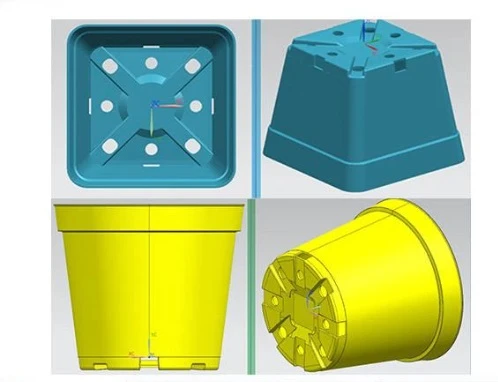
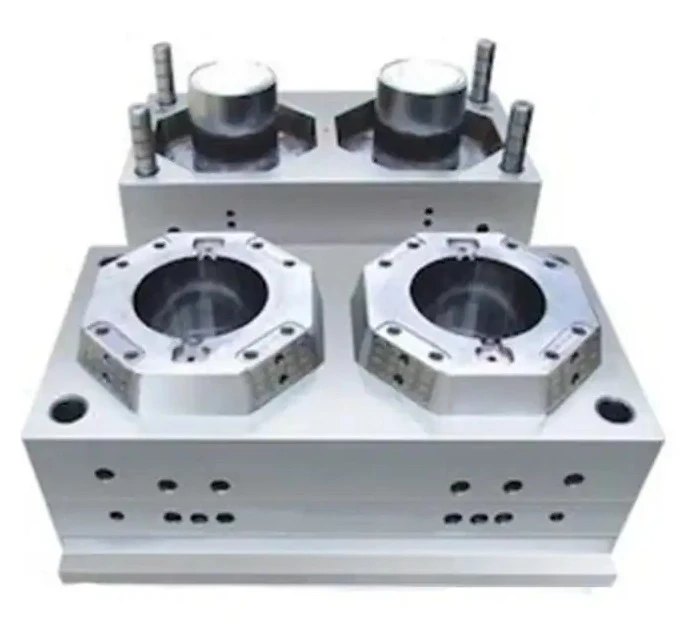
First, consider the injection mold design. Ensure a rational runner layout and appropriate gate placement to avoid internal stress concentration caused by uneven melt flow within the mold.
Furthermore, mold temperature must be strictly controlled. Excessively high or low mold temperatures can exacerbate product deformation. Maintaining uniform temperature across all areas of the mold through a precise temperature control system is key to reducing deformation.
Secondly, the choice of injection molding material is crucial. Different materials have varying sensitivities to temperature and pressure. Choosing materials with good thermal stability and low shrinkage can mitigate deformation to a certain extent. Furthermore, adjusting injection molding process parameters such as injection speed, pressure, hold time, and cooling time can effectively control the melt filling state and solidification process, thereby reducing deformation. For example, appropriately extending the hold time to ensure adequate melt compaction can significantly reduce warping caused by shrinkage.
Furthermore, product design and wall thickness uniformity must not be overlooked. Properly designing the product structure to avoid sudden changes in wall thickness can effectively disperse stress and reduce the risk of deformation. Annealing, a process of heating and slowly cooling molded products to release internal residual stress, is also an effective means of correcting deformation.
In summary, addressing the bending deformation of injection molded products requires a comprehensive approach encompassing mold design, material selection, process parameter optimization, and product design to accurately address the problem and ensure product quality and stability.