




Threaded molds or rotary mold releases
Threads on plastic molds: types, functions and selection
The threads on plastic molds mainly include two types: external threads and internal threads. Their functions are connection, fixation and sealing. In mold design, the correct selection of thread type is crucial to ensure the stability of the mold and product quality.
1) Types of threads on plastic molds
1. External threads: External threads are usually used to connect and fix the external parts of the mold, such as the mold base, template, etc. External threads have the ability to withstand tension and pressure, and can ensure the stability and reliability of the mold.
2. Internal threads: Internal threads are mainly used to connect and fix the internal parts of the mold, such as the nozzle and mold core of the injection molding machine. Internal threads can provide good sealing performance to prevent plastic leakage during the injection molding process.


2) The role of threads in plastic molds
1. Connection function: The threads connect the various parts of the mold by screwing together to ensure the integrity and stability of the mold.
2. Fixing function: The screwing structure of the threads can effectively fix the mold parts to prevent them from loosening or falling off during the working process.
3. Sealing function: The internal thread achieves sealing inside the mold through tight fit, preventing plastic from leaking during the injection molding process, thereby ensuring product quality.

3) How to choose the right thread type
When choosing the thread type, the following factors need to be considered:
1. Use environment: According to the working environment and use scenario of the mold, select a thread type that can withstand the corresponding pressure and temperature.
2. Connection requirements: According to the connection requirements between the various parts of the mold, select a thread type with sufficient connection strength and stability.
3. Sealing performance: For mold parts that need to be sealed, internal threads with good sealing performance should be selected.
In short, the threads on plastic molds play a vital role in mold design. Correctly selecting the thread type is of great significance to ensure the stability of the mold and product quality. In practical applications, it is necessary to comprehensively consider specific needs and conditions to select the appropriate thread type.
External threads
External threading is usually accomplished with a splice block. The parting face may not be visible and the entire core is rotated. Whether the core or the cavity needs to be rotated, gears are required on either the moving or the fixed mold side. The gears can be driven by a servo motor, a rack and pinion, or by a screw driven helical shaft.


Internal Threads
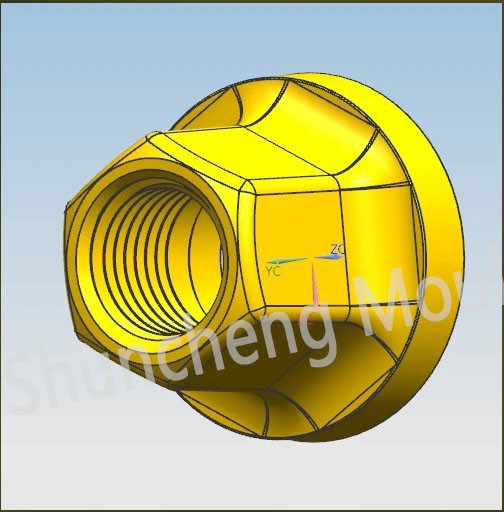
Internal threads are molded on a core with a threaded profile, which is wrapped around the product during injection molding, while the outside surface of the part is smooth.
If the internal thread cannot be plasticized, it can be removed by unscrewing the threaded core or by relying on a telescopic core.


The following types of mold release are common for internal screw threads:
Mode of mold release:
1.stranded teeth
2.internal shrinkage
3.Strong stripping
4.Driving method:
5.Cylinder + rack & pinion
Motor + rack/pinion
Rifling


Hot Tags: internal and external threaded plastic injection mold, China internal and external threaded plastic injection mold manufacturers, suppliers, factory