

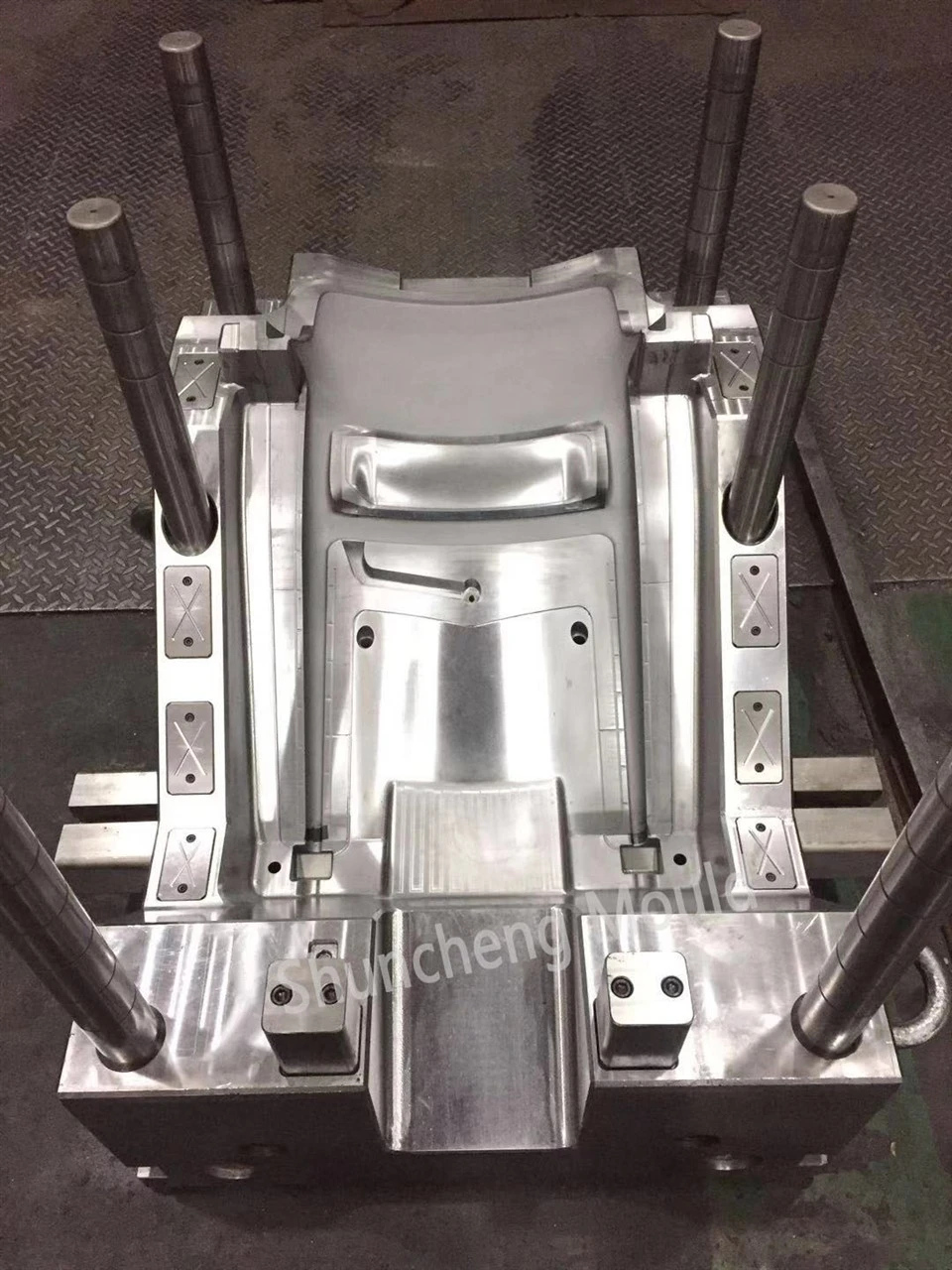
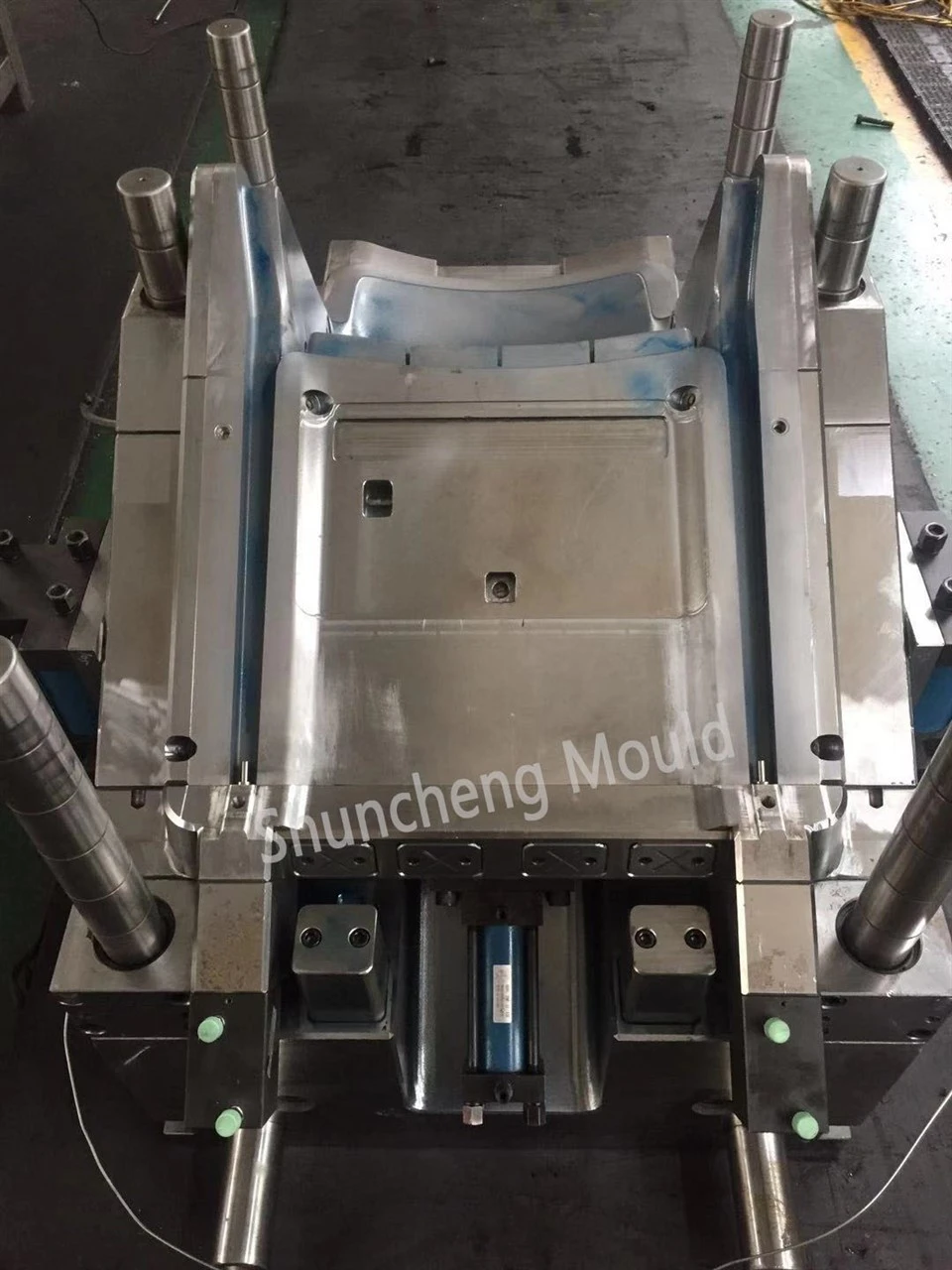
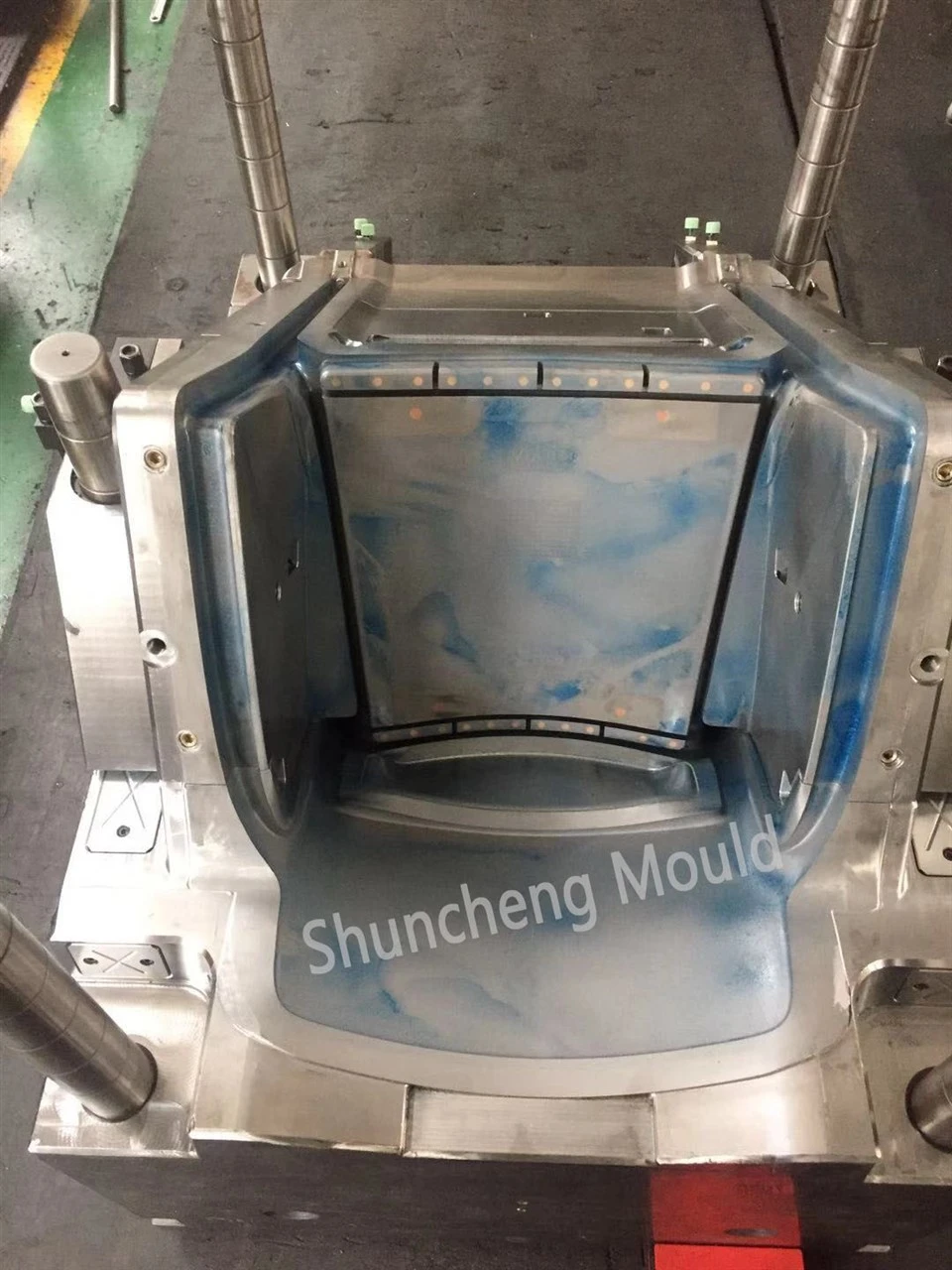
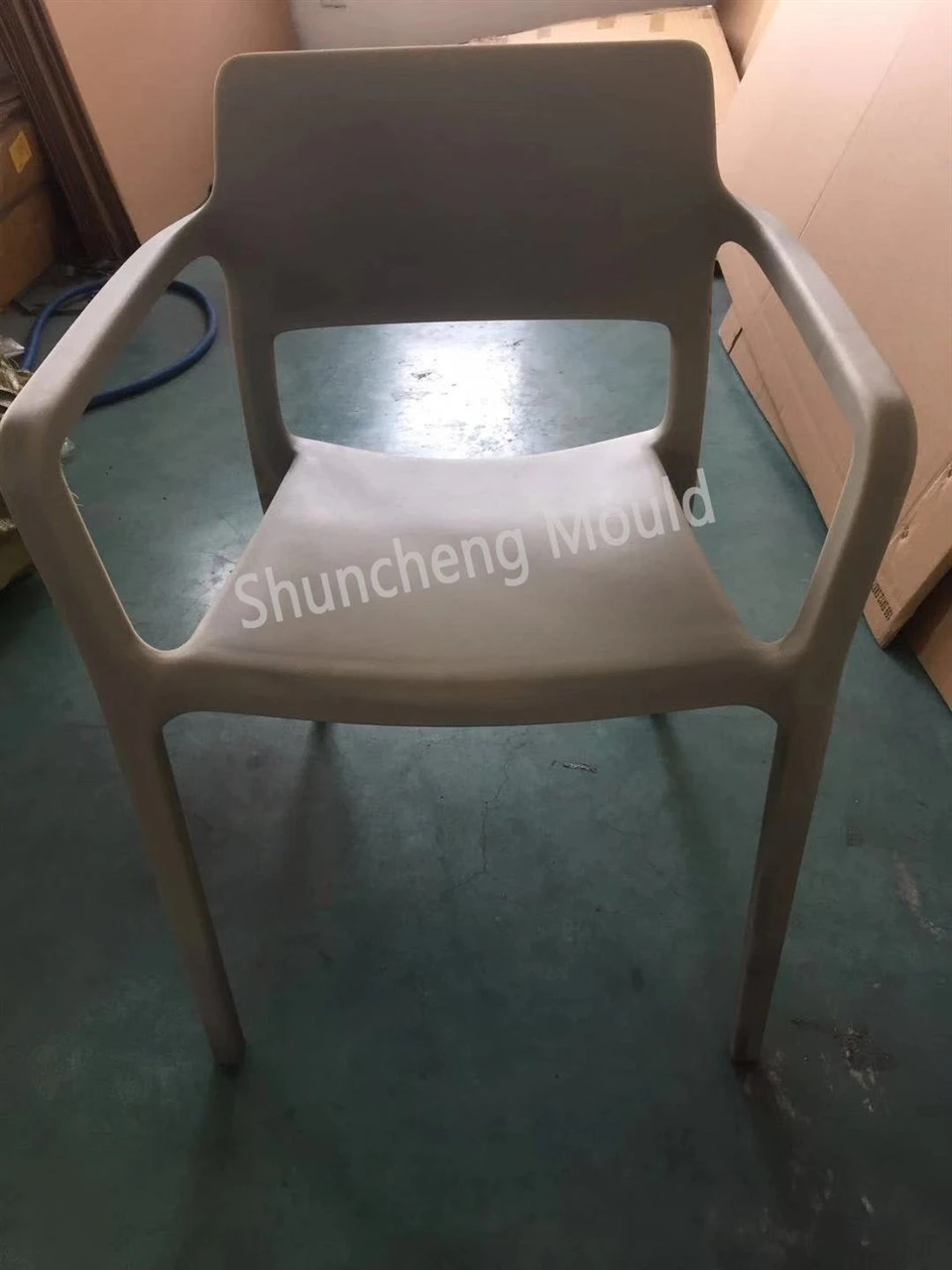
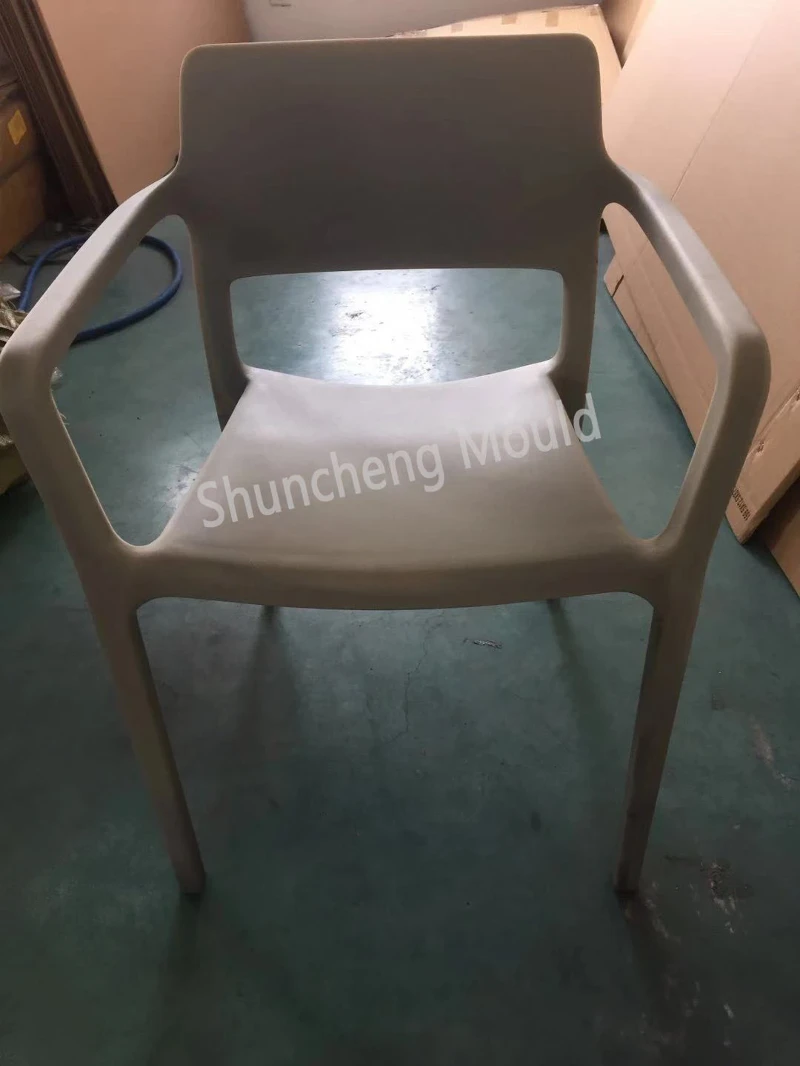
A plastic gas assisted chair mold is a mold that uses gas-assisted injection molding to create a chair part. Compared to standard plastic injection molding process where only molten plastic is injected into the mold, gas-assisted injection molding involves the use of nitrogen gas. This allows the plastic to move farther into the mold to create a thicker surface while leaving a hollow space within the part.
What are the advantages of gas-assisted injection molds?
Reduced Material Usage
Gas-assisted injection molding minimizes material consumption by displacing plastic within the part's interior. This allows for the production of lightweight components without sacrificing structural strength. Additionally, it reduces excess material waste, as thick walls and solid sections that would traditionally require trimming in conventional injection molding are no longer needed.
Enhanced Part Quality
One of the key benefits of gas-assisted injection molding is the enhanced control it offers over the mold filling process. This control helps to minimize defects like sink marks, voids, and warping. The even material distribution also reduces stress, improves surface aesthetics, and ensures better dimensional accuracy in the final part.
Ability to Create Complex Geometries and Lightweight Parts
The ability to create parts with intricate geometries and varying wall thicknesses is one of the most significant advantages of gas-assisted injection molding. The gas core can be strategically placed within the mold to form thicker ribs or hollow sections, enabling the production of more complex and lightweight components. This is particularly beneficial in industries such as automotive and consumer goods, where lightweight yet structurally complex parts are in high demand.
Reduced Cycle Times
Gas-assisted injection molding can also shorten cycle times. The gas core acts as a heat insulator, helping the thicker sections of the part cool more efficiently. As a result, the overall time each part spends in the mold is reduced, leading to greater production efficiency and lower manufacturing costs.
Less Wear and Tear on Tooling and Equipment
Though gas-assisted injection molding requires specialized tooling and equipment, it tends to result in less wear and tear compared to traditional processes. The gas acts as a guide for the molten material, reducing the injection pressure and easing the strain on the mold. This reduction in pressure can extend the lifespan of molds and equipment, leading to lower maintenance costs and fewer mold replacements over time.
Greater Design Flexibility and Innovation
Gas-assisted injection molding offers substantial design flexibility, enabling manufacturers to create parts with unique shapes, innovative features, and improved functionality. This opens the door to more customization and creative solutions, helping industries tackle challenges with novel, efficient, and tailored components.
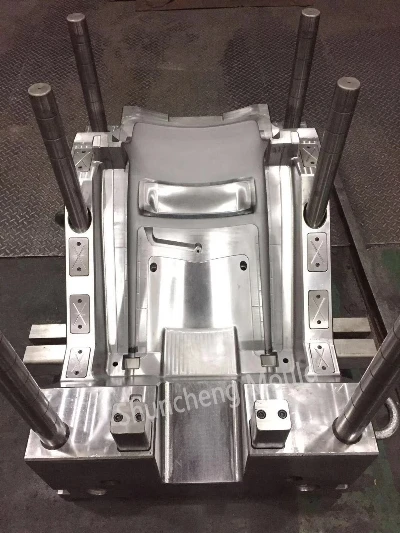
The Materials Used in Gas-assisted chair Injection Molding
In the gas-assisted injection molding process, the wall thickness and surface quality of the molded parts are primarily influenced by the material properties, while changes in process parameters have a relatively minor impact on these factors. Therefore, selecting the right molding material is crucial.
Theoretically, all thermoplastics suitable for conventional injection molding can be used in gas-assisted injection molding, including some filled resins and reinforced plastics. However, to effectively control the formation of gas channels and prevent gas "penetration" through the material, the chosen plastic must have sufficient melt strength. For example, very soft plastics like polyurethane (PU) are not suitable for gas-assisted injection molding.
- Polypropylene (PP): Due to its excellent chemical resistance, good processability, and relatively low cost, polypropylene is commonly used in gas-assisted injection molding for automotive parts, home appliance housings, and more.
- Polyethylene (PE): Both low-density polyethylene (LDPE) and high-density polyethylene (HDPE) offer good chemical resistance and processability, making them ideal for lightweight, corrosion-resistant parts.
- Polystyrene (PS): Frequently used for producing transparent parts and applications requiring high aesthetic quality.
- Polycarbonate (PC): Known for its high strength and excellent transparency, polycarbonate is commonly used in parts that require high mechanical performance and clarity.
- Nylon (PA): With good mechanical properties and high-temperature resistance, nylon is ideal for parts requiring high strength and durability.
- Crystalline plastics such as polyamide (PA) and polybutylene terephthalate (PBT) are especially suitable for gas-assisted injection molding.
The most commonly used plastics in gas-assisted injection molding are PA6, PA66, and polypropylene (PP), particularly glass fiber-reinforced variants.
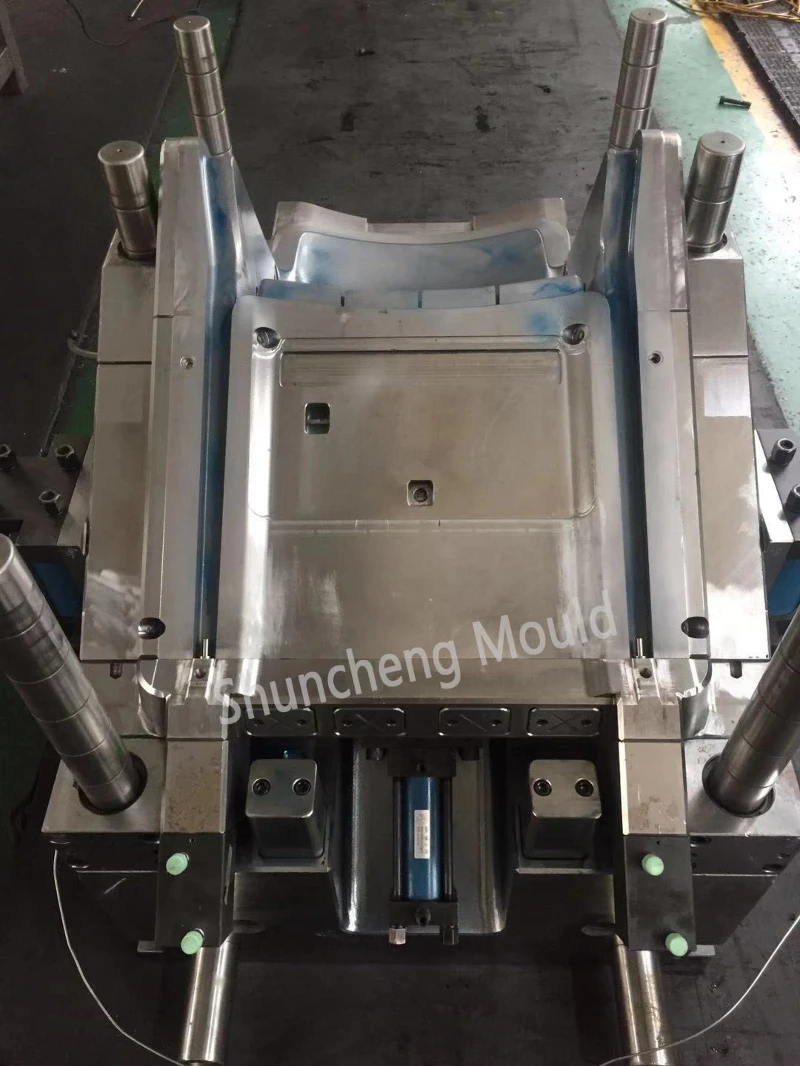
principle of gas-assisted injection molding
Injection of Plastic Material: During the first stage, the plastic material (usually in the form of pellets) is injected into a mold cavity, just like in traditional injection molding. The material partially fills the cavity to a predefined point, covering most of the cavity's surface.
Injection of Gas: At a specific point during the injection, typically when the plastic has filled about 70–80% of the mold cavity, gas (usually nitrogen) is injected into the mold under high pressure. This gas is injected through a nozzle or a gas channel built into the mold.
Gas Expansion: The injected gas pushes the plastic material toward the mold cavity walls, causing the plastic to flow and fill the cavity more uniformly. The gas continues to expand, creating an internal hollow or cavity within the part (often referred to as the "gas core"). The gas pressure helps to compact the material against the mold surface, forming a solid outer shell.
Cooling and Solidification: After the mold cavity is fully filled, both the plastic and the gas are allowed to cool and solidify. The gas is typically vented from the mold at this stage, and the plastic material forms the final part.
Ejection: After the cooling phase, the part is ejected from the mold. The hollow core created by the gas inside the part reduces the overall material usage and weight, while the outer shell maintains strength and durability.
Why Choose Us
Quality assurance
Our plastic moulds company with high quality standards, detailed mould specifications and special requirements, enabling us to offer our customers a comprehensive solution to their injection molding needs.
Comprehensive solution
We have mastered product development, mold design, raw material selection, process optimization, production management, quality control, customer service, international freight forwarding, etc.Can offer our customers a comprehensive solution to their injection molding needs.
Professional team
Through years of experience in the manufacture of injection molding, we have cultivated an excellent team and established a comprehensive system to meet different needs of customers.
Competitive price
We seek to reduce costs for our customers' product development and manufacturing, so as to help customers win in the highly competitive market.
Our Quality Control
Strict Processing
We have very high requirements for mold processing. We must use high-precision processing equipment (such as CNC machine tools, wire cutting machines, etc.) to complete the mold processing to ensure the size and shape accuracy of each component.
Surface Treatment
We will also perform surface treatments such as chrome plating and titanium plating according to customer needs to improve the corrosion resistance and wear resistance of the mold.
Precision Inspection
Before assembling each component of the mold, it is necessary to conduct a precision inspection to ensure that each component (such as cavity, core, ejector, etc.) is consistent with the design drawings.
FAQ
Q: What are the benefits of gas injection?
A: The benefits of hydrocarbon gas injection include: The injected gases mix with the oil, lowering its viscosity and making it easier to extract. Similar to CO₂ and nitrogen, hydrocarbon gases help maintain reservoir pressure.
Q: What are the applications of gas assisted injection molding?
A: Gas assist injection molding is a process that produces large plastic parts with complex designs and superb cosmetic surface finishes. The process is especially ideal for large handles, equipment covers, doors, bezels, cabinets and skins.
Q: How does gas-assisted injection molding work in chair moulding?
A: In the gas-assisted injection molding process for chair parts, plastic material is injected into the mold cavity, filling most of the cavity. Once the mold is partially filled, gas (usually nitrogen) is injected into the cavity under high pressure. This gas expands, pushing the molten plastic to the mold's outer edges and forming a hollow core inside the part. This results in a lightweight structure with a strong outer shell, which is ideal for components like chair seats and backrests.
Q: What are the advantages of using gas-assisted injection molding for chair components?
A: Lightweight Parts: Gas injection creates a hollow core, reducing the amount of plastic used, resulting in lighter chair parts without compromising on strength.
Reduced Material Usage: Less plastic material is needed to form the part, making it a cost-effective process.
Improved Surface Quality: Gas pressure helps to reduce warpage, sink marks, and other surface imperfections, leading to better-quality finished parts.
Faster Cycle Times: The cooling time is reduced because the outer walls of the part are thinner and cool faster.
Design Flexibility: The process allows for more complex designs, such as intricate geometries and thinner walls, which may be difficult to achieve with traditional injection molding.
Q: What types of plastics are commonly used in gas-assisted chair moulding?
A: Commonly used plastics for gas-assisted chair moulding include:
Polypropylene (PP): Widely used for chair seats, backrests, and other components due to its excellent processability and good chemical resistance.
Polycarbonate (PC): Used for parts that require high strength and transparency, such as chair backs and armrests.
Nylon (PA): Preferred for parts requiring high strength and heat resistance.
ABS (Acrylonitrile Butadiene Styrene): Used for its impact resistance and ease of processing, often found in office chair components.
Q: Can gas-assisted injection molding be used for all types of plastic chairs?
A: While gas-assisted injection molding can be used for many types of plastic chairs, it is particularly suitable for lightweight, strong, and complex designs. It is ideal for creating parts with thin walls and hollow sections, such as chair seats, backrests, and frame components. However, for parts that need to be very rigid and without hollow spaces, traditional injection molding might be more appropriate.
Q: What types of chair parts are best suited for gas-assisted injection molding?
A: Gas-assisted injection molding is best for producing:
Chair seats: The process reduces material usage and weight while maintaining strength.
Backrests: Can create hollow structures for lightweight and aesthetically pleasing designs.
Frame components: For lightweight yet durable chair frames or legs.
Armrests: Often complex in shape, gas-assisted molding can reduce material usage and improve production efficiency.
Hot Tags: plastic gas assisted chair mould, China plastic gas assisted chair mould manufacturers, suppliers, factory